Media
Keynotes, panels and conversations
A curated collection of featured videos, podcasts and LinkedIn Live events from leading business and technology outlets.
Download media kit
Playlist
Watch
Talks, panels and masterclasses on quantum, AI and enterprise innovation. Press play to watch here, or open any of them on YouTube.
Featured5 videos
 3:57HorizonX Made in UAE: Building the Talent + Innovation Ecosystem for AI and QuantumHorizonX
 59:43Navigating the Quantum Era: A Conversation with Will Oliver and Steve SuarezHorizonX
 59:36DeepSeek AI Uncovered: The Future of Small Language Models (SLMs)HorizonX
 26:12Steve Suarez with David Whelan, CEO of EngageVR, hosted by Maxwell McGeeHorizonX Virtual Campus
 51:43GOI Launch Panel: Corporate Approaches to Career DevelopmentPluralsight
More videos
From the archive
 The CEO of HorizonX on Quantum Computing, AI & the Future of Tech | PM #249 with Steve Suarez## Productivity Mastery Podcast #249: The Future of AI, Quantum Computing, Leadership and Productivity
**Date:** October 19, 2026
**Host:** Stoyan Yankov
**Guest:** Steve Suarez, Founder and CEO of HorizonX
### Description
Steve Suarez joins Stoyan Yankov on episode #249 of the Productivity Mastery Podcast to discuss the future of quantum computing, artificial intelligence, entrepreneurship, leadership, and personal productivity.
Drawing on more than 30 years of experience, including nearly 20 years at HSBC as Global Head of Innovation, Steve shares his journey from military service and corporate leadership to founding HorizonX and advising global organizations on emerging technologies.
The conversation explores the commercial potential of quantum computing, the growing pressure on businesses to adopt AI, and why leaders need to prepare today for the technological changes ahead.
Steve also discusses The Quantum Index, his work with MIT, and how he uses AI-powered tools to manage multiple businesses, prioritize opportunities, and improve productivity while traveling globally.
**Key Topics:**
- Transitioning from corporate leadership to entrepreneurship
- Understanding quantum computing and its business applications
- The Quantum Index and how companies are preparing for quantum
- AI FOMO and the importance of strategic AI adoption
- Leadership, education, and preparing for technological disruption
- Using AI-powered dashboards to improve productivity and business performance
**Watch the full episode:**
[Productivity Mastery Podcast #249 on YouTube](https://www.youtube.com/watch?v=Jil_NT2tKSQ)
**Additional Links:**
- [Steve Suarez](https://stevesuarez.com/)
- [HorizonX](https://www.horizonxc.com/)
- [The Quantum Index](https://thequantumindex.com/)
- [Productivity Mastery Podcast](https://www.youtube.com/playlist?list=PLdebenMhhVRWXKd6UYdaej5nLlQFpmnpg)
**MIT xPRO Special Offer:**
Explore Quantum Computing: Strategy and Impact and use promo code **HORIZONX** for a special discount.
Watch on YouTube
 Is quantum computing about to break all modern encryption? ⚛️💻In this episode of FUMO, we dive into quantum strategy, post-quantum cryptography (PQC), and the concept of "Q-Day." Joining us are Steve Suarez, former HSBC executive and MIT quantum strategy instructor, and Garfield Jones, former Associate Chief of Strategic Technology at the US Department of Homeland Security.
Learn why data harvested today can be unlocked tomorrow and what steps organizations must take to stay secure.
Introduction
0:00
On this episode, we [music] go back to March when Ronit and I sat down with Steve Suarez, who spent 20 years at HSBC
0:07
[music] and now teaches quantum strategy at MIT. We also sat down with Mr. Garfield, who ran postquantum
0:15
cryptography work at [music] the US Department of Homeland Security. We got into Qday, the day a quantum computer
0:23
can break the encryption behind every bank login [music] and card payment. and
0:28
why data stolen today can be unlocked later. The good news is [music] the fix
0:34
already exists and the people who prepare early will pay less for it.
0:43
FUMO [music] is powered by capital.com.
0:50
Garfield, welcome. Thank you, Steve. Thanks for joining us.
0:56
Yeah, thank you. We're going to be talking about quantum and postquantum, but more importantly,
Taking Quantum to the Boardroom
1:02
why it matters today. We're going to take quantum out of the physics lab and put it into the
1:08
boardroom. Garfield, you currently work for a quantum security company. But
1:13
before that, tell us a little bit about Garfield before the private sector. Sure. Uh, again, thanks for having me
1:20
here. Um, so I currently work for a postquantum cryptography company called Qsecure. Uh before Q secure I was with
1:28
uh Department of Homeland Security at the US Department of Homeland Security. I was the associate chief of strategic
1:34
technology which basically meant I was running all the postquantum cryptography
1:39
initiative that was associated with the government. Uh we were basically putting
1:45
out policies trying to put things in place to get uh agencies ready for PQC.
1:51
So you are deep in the bowels of the deep state. Why did DC and the
1:57
government start caring about quantum computing and post-quantum cryptography
2:03
way before the corporate sector, the private sector, like governments have been all
2:09
over this, the US government's been all over this. And you are literally maybe not in the bowels, maybe not in the
2:14
basement, but you are the heart. Can I say heart? You are the heart of the US
2:19
national security establishment looking at this topic. way before my very sensible, very practical [laughter]
2:26
private sector friends like what why? Well, with the advent of a sufficiently
2:33
powerful quantum computer and we call it a a CRQC, a cryptographically relevant quantum computer, it will be able to
2:40
break all public key encryption, which is like your RSA, your um ECC, elliptic
2:46
curve, anything that's sending. Jesus Christ. Yeah. No blasphemy. Yeah. Sorry.
2:51
Yeah. Yeah. [laughter] So, all your text messages. That was a lot of acronyms though. I
2:56
understand where you came from. That was a lot of like I also Did he lose you in RSA? No. No. No. For me, that's scary. That
3:02
just woke me up better than the coffee did. Yeah. I mean, but basically is saying all encryption
3:07
blows up. All encryption blows up. All public key encryption. All your text messages, all your business. There's no
3:13
secret. All your cards, all accounts. Yeah. Basically, there all the photos that you've been hiding.
3:18
What photos? You told me iPhone was Steve. You told me iPhone was PQC. Now he
3:24
Sony signal, right? That movie with Robert Redford and and Ben Kingsley, right? CEK Astronomy. Too
3:30
many secrets. Sneakers. Have you seen Sneakers? Oh my god. Sneakers are the best. Every hacker movie. One of the
3:37
first hacker movies that ever was done. Ben Kingsley. Was it Sydney Poier? What a car.
3:43
Next flight. Next flight. See if I'll see if Emirates has it on the back. Too many secrets. No more secrets. So there will be no more secrets is what
3:49
you're saying, right? Well, the more relevant to to what you guys do is the financial aspect of it. And that's that's really where
3:55
the the problem comes in, but with that breaking the public key encryption, um,
Harvest Now, Decrypt Later (HNDL)
4:01
you know, all your data is going to be out there. And the government was really interested. They really started to get
4:06
interested because as as we got closer and closer to what we thought was going to it was going to break, the
4:13
government's like, "What's going to happen to our data? We've got a lot of sensitive data. A lot of secrets. Lot of lot of secrets. Lot of secrets in DC.
4:19
Lot of lot of secrets in Well, all in Virginia in Virginia. Virginia. All over the world. It's like
4:26
everybody's got secrets, you know. Heck, I got secrets. My wife's not going to hear this, is he? [laughter]
4:32
But it's not that accessible, is it? Surely. I mean, it's not like someone in the basement who's trying to mine Bitcoin or do something else or create a
4:39
tool can build a quantum computer or have access to it. It's not It's not easy. It's not easy,
4:44
but the fact is lab theory, correct? Or is it It's not It's not labor theory because
4:51
I don't know. I'm asking. Yeah. One is that people are taking the data right now. That's what the problem is is
4:56
they're keeping the data. They're harvesting the the data right now. We call it harvest now, decrypt later.
5:02
Who has access to this where it's a danger? But you're saying it's not. So harvest now and decrypt later.
5:07
Harvest now, decrypt later. So there it's not like I have to worry in 2035, 2045. I got to worry now.
5:13
You got to worry now. You got to worry that the data that they've already taken is is still there. You know, Steve
5:20
always mentions about the the price of storage now. We love cloud computing, don't we?
5:26
Exactly. Who's going to come back and bite us one day? [laughter] Who's like who's harvest who's harvesting this data, Steve? Like
5:32
when did we start worrying about this harvesting? But does it matter who's harvesting? The fact is that you can harvest. So think
5:38
about nation states. Let's just say it's nation states. Yeah, I'm able to take any trans anything that
5:44
you send over and I can store it. And what we were saying is that storage is so cheap that
5:51
I can take all of that and I can store the data. [laughter] What the hell was that?
5:56
That was pigeons. There birds in the building. Yeah, it happens sometimes, you know. [laughter] Sorry guys.
6:01
At what point did that was the Batman? Yeah, that was Sorry. Sorry about that. This is the most fun I've ever had on a
6:07
podcast. Hold on. [laughter] Sorry. He can't help myself. So, what
6:14
I haven't started in my coffee [laughter] states. Nation states. All right. So,
6:19
you were asking questions about Can we So, Steve, who's harvesting this, you
6:25
know, the HNDL, who's harvesting this data? The reality is that anybody can be harvesting this data. But if you think
6:32
about like malicious actors, let's just think nation states, they're taking the uh information as it's in transit and
6:39
because storage is so cheap, they're able to to store it and there might be some information that's not
6:44
worth it. But then if I could go back to your computer 10 years ago and I could have access to all the
6:49
information on your computer, that would concern you. So when people say, "Oh, that's 10 years away, 20 years."
6:55
Concern thing, right? Right. I'd invest in that code breaker. [laughter]
7:00
I I want to point I want to point out something that's that's really kind of always forgotten and that that's why,
7:06
you know, folks tend to brush it aside. It's the data in transit. So, we've got
7:12
data in at rest. We've got data in process. It's the data in transit that's really at at at risk.
7:18
And we really have to be careful with whenever we send anything. And that's what what Steve is alluding to. It's
7:24
that harvest now decrypt later that you know whatever we send over the wire that's even if it's encrypted it's it's
7:32
still a problem all the data at rest that we have at some stage is probably in transit. Well,
7:37
it's got to be a transit at some stage, right? And so that's why it's important that you look at the data and see which
7:42
data needs to hold out security past a certain amount of time because once a quantum computer gets
7:49
there, that data and based on today's technology and encryption is accessible
7:54
to anyone. It's it's it's very interesting. You know, when you talk about a a nation state, a government talking about why
8:00
they have an interest in doing this, it's it's very obvious. But then when you elaborate immediately that the most
8:06
major basic use cases done every day for every every single human on the planet
8:11
with a bank account or a card is affected by their keys being broken. The corporate sector are they not
8:18
rushing as quickly to this as possible if not more because they have to fund it themselves. I mean the government
8:24
funding from think tanks, people, intelligence, researchers, yourself.
8:30
This is the whole point. Governments have been so ahead because governments have a lot of really strategic secrets.
8:36
I know, but corporates getting sued, corporates falling apart, corporates getting ambushed. Oh my good.
8:41
So Steve was a very senior banker. Um and then went down the quantum rabbit
8:46
hole. See what took you down? So Garfield was obviously in the heart of the US national security establishment
8:52
in DC looking at all this. But how did you get involved in this? Yeah, it was a funny story. So um in
8:58
nature magazine, Google published an article October 19th, 2019.
9:04
Nature magazine in nature magazine you can see Google Google published a article called
9:09
quantum supremacy obviously. And within this article they talked about that RSA and elliptical
9:16
cryptography will be dead once there's a strong enough quantum computer. Here we go. We're getting more acronyms.
9:21
Should we have a glossery in this podcast? We'll have to. Okay. So, all your encryption, what is Yeah. What is RSA, ABC, ECC, all
9:29
the stuff that you've been throwing out? Give us those are all Give us the terms here. What What are the terms we need to know to sound smart about quantum [laughter]
9:36
brought to you by Steve? We we I can give you the terms, but then I'll have to look them up to remember
9:42
what [laughter] they are. I just know that they're really it's the top security of what we use to protect banking today. And those are the
9:49
algorithms that were written to make sure that um two prime numbers that come
9:54
together that you can't reverse engineer those two prime numbers. And that's kind of the what underlines or underpins
10:01
cryptography today. The problem is with quantum computer with a strong enough quantum computer
10:06
you could use algorithms like Shor's algorithm. So Peter Shaw wrote an algorithm uh back in 1994 I believe when
10:14
he was working for Bell Labs and it's a factoring algorithm which means that he can do factoring of big
10:20
large numbers along with another algorithm that does search and they're able to yeah so Grover's algorithm to be
10:28
able to use both of them to actually break current encryption. It's amazing. Quantum [clears throat] computing was
10:34
not created to obviously have adverse effects. I mean, but it's allowing us to do many many things. But we all know
10:39
that negative adoption of frontier technology is human nature. Yeah.
10:45
The internet. You mean you mean bad guys adopt new technology first? To quote Marvel.
10:50
That's Oh, what's the Marvel quote on this? With great power. Oh, that's specifically Spider-Man.
10:57
Yes. [laughter] And that is Marvel. Yeah. But no, it's it's very interesting. So you're saying quant and it can break
11:03
this most standard codes because it was never thought that we would invent these computers. It wasn't but the capable capable
11:09
computer. Do you understand what a quantum computer is? I'm I'm not sure. I think I do. I listen I've I've seen
11:15
you've seen them use case examples of how people have talked about it. I've seen designs about how they have to be built because there
11:21
they operate in unicorns like talked about cooling storage
11:26
numbers size the the the amount of money that I've seen over the years people
Classical vs. Quantum Computing
11:31
have shown but what's these gentlemen are talking about that's that's terrifying so I'd love to
11:37
hear from them a little bit listen at a basic level your phone um it's got an
11:43
operating system on it what kind of phone do you have it's an iPhone right who wrote the operating system on there.
11:48
Apple, right? If you say so. It's got an Apple on the back. Yeah. So, your Apple wrote that operating system. Uh your Windows
11:55
machine, Microsoft wrote that operating system, right? Um in quantum, we're using the operating
12:02
system of nature. And so, we're using the power of quantum mechanics to be able to simulate quantum
12:09
mechanics. Classical systems cannot simulate the world around us. That's quantum. And the only way to do that is
12:15
you need a quantum computer. So we're using the same properties in quantum mechanics to be able to do computation.
12:21
So for example, just in uh non-financial and real world applications of of of
12:26
what we can visibly see translated from what Steve has just told us into what you've seen on a movie screen, for
12:31
example, is in the movie Interstellar. We could never depict in media what a black hole
12:38
looked like because the data and the modeling just didn't allow us to give us a visual expression of what that looked
12:44
like from a realistic point of view as opposed to a theoretical point of view only. And because they can do it today,
12:51
even Hollywood, for example, has used it to generate what you saw in Interstellar as the movie as the black hole that they
12:57
projected to show what it actually looked like in a flying space. Can I nerd out for one second? All
13:03
right. So, you know, Steve was was talking about the different the
13:08
difference of computers we have today versus what a quantum computer looks like. So, in what we have today is a
13:15
computer that can give you on or off, right? So, a one or a zero. And when we
13:21
get to a quantum computer, there's a possibility it could give you both at the same time. So that that gives it the
13:28
possibility of being able to look all over very very quickly. Very very
13:33
quickly. So you know you always have to think about chess. You know you you
13:38
[snorts] sit there, you think about every movement that you have to make and you you you go through the scenario over
13:45
and over and over and you have to go through each scenario. That's that's a classical computer. Now, if you go to a
13:52
quantum computer, they look at all the scenarios all at the same time that much quicker. That's why they're better at go than
13:57
humans now than before because quantum computers can look at those scenarios better. So, they just much much much much
14:04
faster. Well, I'll I'll give you an analogy. So, if I had a supercomput and I wanted to
14:10
double that capacity, I would need another supercomput to double that capacity. If I wanted to double that
14:16
capacity, now I need another two computers. So all four supercomputers in quantum computing I just need another
14:23
cubit to double the capacity. Explain that a little bit more please. So again bits in classical computers are
14:30
ones and zeros. So you have billions of bits on your phone that does computation. A cubit is this superp
14:38
position uh cubit that uh Garfield was talking about where you have these
14:44
cubits and they're able to do computation a lot faster um
14:49
exponentially than your normal classical computer. So let me ask you, did you understand that? No. [laughter]
14:56
No. Garfield, do you want to have another go at explaining what Steve just said? I think I understand what he said. He's basically let's pretend he's saying
15:04
he's saying cubit I mean so he's saying that basically you
15:09
have the the opportunity to search for something very quickly that that that's a cubit is is the ability to to exist in
15:17
both states at the same time versus a a bit which you it's a trial and error
15:23
right versus a cubit which there's very little trial and error there's virtually
15:30
none But how does this all lead to breaking encryption? Like why does why do all our secrets become
15:37
secret exposed? Yeah. Undressing open for open and readable.
15:43
Yeah. So how is old data going to become naked? Well, I think that's part of the the computational power
15:49
transparent. the computational power of quantum computing because it can do these factoring in these numbers and
15:56
look at prime numbers which classical computers cannot do. It's able to break these encryption keys and to say what
16:04
are the two prime numbers that came together to create that encryption key and it can do that because of of the the
16:11
computation power but also these algorithms that make it a lot faster to find those numbers. Let's let's step one
16:18
side in parallel for a second, right? Because quantum computing is so complex
16:23
and from my understanding extremely expensive to build, operate, maintain,
16:29
keep going and everything to whatever degree I understand it. Besides government today, who's using
16:35
quantum computing and how is Wall Street using quantum computing to predict the stock market? is are insurance companies
16:42
using it to do weather patents because you know they want healthcare companies so many different things what's what's happening there
16:48
so quantum computing exists today I mean whether it's it's not at the error
16:54
correction level that is needed to break the encryption you'll hear that term a
16:59
lot correction is where we need to get to to break break all the encryption
17:04
quantum computing is is is available today it's it's used and there's um you
17:10
uh financials which which I know you guys are in but it it is used in
17:15
financial it's it's used in portfolio optimization fraud detection everything else it may not be used to the level
17:22
that a a a error correcting quantum computer is but it's used in conjunction
17:28
with um optimization with AI it can be used with you know because there's a
17:33
part where you can do certain calculations with classical and then switch over to a quantum computer
17:39
Because really a quantum computer is not going to be it's not going to rule everything, right? There's some things
17:45
that are needed for classical, right? And then there are some things that are work better on a quantum computer. So
17:52
you don't need you don't need it's not going to just take over the world. I mean eventually it probably will but
17:58
[laughter] but the problem is is that is that breaking of the encryption. That's where
18:04
our problem really. I think my my question sorry is just [clears throat] to ask is is where is it sitting today? Is it sitting in is it sitting in
18:11
Goldman Sachs? Do they have their own quantum computing or are they farming out from what Google has built and IBM has built? This is I think
18:17
so if you go back to the history of classical computing and look at when there was vacuum tubes and transistors
18:24
and all of that. Think about where in the beginning. Yeah, exactly. [laughter] Are we that old? Yeah. No, not so
18:32
exactly you guys you guys are pretty young. So, so, so think about uh the classical
18:38
and what that history is. Same thing's going on with quantum computing. So, there was always value even when there
18:43
was vacuum tubes computing, there was value to be had there. And in quantum, there are quantum computers out there um
18:51
that there's value and there's people getting little value out of it today. But eventually, as these computers get
18:57
better, you're going to get a lot more value. So if you follow the same history of classical computers, quantum is doing
19:03
the same thing. which is predictable. What about this push back from people including I think um and I don't know if
19:09
Jensen was misqued but Jensen Juan man recently said
19:15
not relevant years he changed his mind he went back [laughter] on it
19:21
I think I think he clarified his statement because what he was thinking
19:26
in his mind is when will a quantum computer develop these new um drugs do
19:32
all this stuff he's thinking about a fault tolerant quantum computer. Correct. Okay, we need to we need to define that
19:38
again. What is a fault tolerant? So again going back to what Garfield was talking about is the error corrections.
19:44
So today classical computers can run billions billions of processes without a
19:50
single error happening within the hardware. Quantum computer is filled with a lot of errors because it's so
19:57
noisy. It's hard to stay coherent and to do that processing. And so a fault
20:03
tolerant one is when it gets to the same level as our computers that it doesn't give you any errors and it's able to
20:08
process without any issues. A lot of times like the cubit doesn't
20:14
hold and that's the coherence doesn't hold right. So the the the computing
20:20
power in a a cubid holding, you know, staying together for several seconds is
20:27
is exponentially stronger than than one or two, you know, bits ever could be. So
20:34
one cubit holding together for a few seconds could be, you know, I don't know the the exact conversion, but could be
20:39
stronger than maybe a thousand bits. And that's that's something that that we look at. Now you were asking about who's
20:46
doing it. So I I'll name some some names if if you want but I mean there's
20:51
there's Google you know that that produced willow chip there's IBM um there's uh you know ion there's um you
21:00
know D-Wave all all these different things and I'm sorry computing you know
21:06
this is why I didn't want to go down this we could go on and on because you know I don't want any hate mail coming at me. Why didn't you name me? And you
21:13
know, but these are the these are the folks. We can publish a list later. Don't worry. So, if you look at the computers,
21:18
there's computers that work on atoms, there's computers that work on electrons, and there's computers that
21:24
work on photons. And so, if you think about it, there's a lot of people trying to get a computer into a quantum state,
21:30
but they're all doing it differently. Garfield talked about Google and uh IBM.
21:35
They're doing it in a in a manner called superconducting, where they cool everything and they're trying to
21:40
compute. Now we uh you talked about INQ. They actually do it this trapped ion
21:46
where they use uh magnets and and and trap an atom and able to do computation.
21:52
I'm simplifying. There's [snorts] other companies like Quer that use neutral atoms um which isn't you don't need all
21:58
the cooling mechanisms. There's actually even companies that use diamond vacancies and so they take impurities in
22:05
diamonds able to shoot in lasers and take a nitrogen atom and and and
22:11
Are we are we in like a Bond movie? This feels like a Bond movie. Star Trek Plus.
22:17
Like, [laughter] you know, this is way beyond that. But this goes to show you there's a lot of [clears throat] companies that want to get a computer into quantum state and
22:24
they're all doing it in their different ways. We don't know who's going to win. We just talked about the private [clears throat] sector ones, right? And
22:30
what about all the threeletter agencies and the governments and the I know you can't say anything
22:36
that should not be there but I imagine our friends in various countries around
22:41
the world got bigger budgets and they have the biggest budgets right I mean so then that's why we talk about the
22:47
opportunities of quantum but then we talk about the threats and the stuff you need to protect yourself and again we're
22:53
not here to scaremonger but you want to prepare it's happening right I mean best to acknowledge this is already happening
22:58
I'll tell you what Um, on February 6th, Google published a blog and their blog
23:04
said, "Governments, you need to prepare for quantum computing." The person who wrote that blog, one of
23:10
the people, is the one creating a quantum computer. He's the head of quantum at Google. And so, when you got
23:17
the head of a technology that can break this, telling you governments, you got
23:23
to start getting ready, that's a pretty strong signal that something could be coming. US government's been on this,
23:28
right? I mean, for a while. There's a reason because I mean, if if you look at and you know, Steve brought
23:36
up one of the reports, but the World Economic Forum published a report, I believe, a year maybe maybe a little
23:43
little more over little over a year ago, and it said that if a quantum computer
23:48
comes online, Yeah. and it it's able to break into the Federal Reserve of the US government, um
23:55
it we will experience a drop of 10% in GDP. I don't know the calculations of
24:01
that because I'm not an economist, but that doesn't sound good to me. And that doesn't sound good, but that's that's
24:09
got to be, you know, trillions and, you know, about three trillion. Yeah. See, you guys are the financial
24:15
guys, so I'm the basic guy, as you guys say in [laughter] America. That that that sounds like bad news to me.
24:21
It's not good news. But even more than I mean not more. I mean 3 trillion is a big number. That's a big number. But
24:28
forget hacking into the banks. You could hack into NASA. You could hack into the Department of Defense.
24:34
You could hack into wherever the nuclear arsenal and the codes are kept. Yeah. Right. You could hack into anything.
24:39
They should watch. But but I've got good news. I've got good news. Oh, we have a solution. There's a solution.
Solutions & Post-Quantum Cryptography
24:44
There is a solution. And it's easy. Hallelujah. It's it's an easy solution
24:50
to sit to work on. Um so that I mean and that's the part everybody wants to scary
24:56
it is something scary if you don't do anything. Exactly. But if [clears throat] you do do something then there are solutions that
25:02
people can put in place. Your question about why aren't companies and more people doing it? I think it's education.
25:08
I think there's a lot of people that don't know that this is an issue. Listen to our podcast, Fumo, available
25:14
on YouTube, Spotify, [laughter] Apple, and right here on Mico. Exactly. Exactly. And and part of it is
25:21
education because what we're trying to do is educate people, explain this, get them to start putting this on their risk
25:26
register and come up with a plan. And so part of what we're trying to do is letting people know that it's coming.
25:33
You don't want future of quantum. It's almost like uh getting people to be a bit healthier on
25:38
their data management habits and uh be a bit more disciplined on how they manage
25:43
uh privacy or critical data and a risk register sounds like a very very interesting overarching white paper
25:50
that can be sort of written. So the first thing we need to do is we know some of our data is critical,
25:55
right? Yeah. So but not all our data. Most of my messages between you and ones we send
26:02
each other they find those memes. I mean, it's not the end of the world, right? He's like, maybe we'll humor.
26:09
There's just some other stuff that, you know, codes, bank, um, you know,
26:14
passwords, pins, digital signatures, digital signatures, uh,
26:19
facial recognition, a picture, maybe even without a doubt, you can unlock anything, right? You know,
26:25
if you're a company or a bank and all the all your pricing was publicly available. Wow. I mean
26:31
how long is how long do you need to keep your data? That's the question. Exactly. How long is how is it how long
26:37
is it important? You know the data life cycle we talk about Snapchat lifestyle. Well governments governments have like
26:43
you know at least in the UK uh where I spent most of my life it's like 30 years right? I don't know what it is. What is
26:48
it in the US typically? Um the kind of the anywhere from 25 to 30 years on on Canada data and then when
26:56
you look at the census data it's 72 years. So basically that that data is already in trouble.
27:02
I mean how long do you need to keep your data versus companies you use how long do they keep your data even after you're
27:07
off like I know I think meta keeps your data even if you're off the platform I believe is the case I think is
27:13
well it's not only that there is some data that can never be exposed and saying they have access to Yeah.
27:19
Yeah. Yeah. And so like I know when I was working uh for a bank uh the big bank the big bank uh big global bank there
27:26
was data and then there was uh there was the crown jewels and the crown jewels
27:32
could never be exposed and so part of it is identifying what are your crown
27:37
jewels and what are you protecting digital crown jewels finally getting the recipe of the two
27:42
halves of Coca-Cola recipe so I can make it at home instead of you know that's very important [laughter]
27:48
well you can sell And that's that's the big thing is not only the the data that you steal that you can use, but you can
27:56
also sell it to the highest bidder. And then that's that's where the problems really super interesting, right? On on on
28:02
anywhere of a discipline for data that's sort of forced people to change habit
28:07
right now, the only instance I've seen it besides perhaps our conversation and more like this that educate people
28:13
is with crypto where people have had cold wallets and hot wallets. you know, it's it's it's the only instance I can
28:19
think of where people have sort of disconnected from Are your Dubai crypto friends worried about all this quantum stuff,
28:24
you know? So, it's it's it's funny that you say that. I think everyone is worried about it in in in the crypto
28:30
world, right? I mean, crypto is cryptography for crying out loud. So, you know, cryptocurrencies, but [laughter]
28:35
Yeah. And you know, putting the crypto into Yeah, exactly. So, crypto is still cryptographic currency, right? So, it's
28:42
we're going to break it with a hand shot fired.
28:47
So when you get back to it, it's just quantum is going to come with a hammer and try and break it, right? And so what are they saying, your friends?
28:53
Because I was on a um one of these business TV channels interviewed me
28:59
recently and they kept on going on and on and on about Bitcoin. Oh, okay. And I was like, actually, I think
29:05
there's a bigger issue now for governments and banks and big enterprises. And Bitcoin, it's an issue, but we have time. And the issue is will
29:12
the Bitcoin community and the core developers come together fast enough like Ethereum is doing and Salana and
29:21
they just went on and on and on and on about maybe it's the Bitcoin price has been not particularly good few months.
29:27
Yeah. But I think exchanges have been hit regularly without the threat of quantum computing just so if the nation states
29:34
who we all know are very active in doing this some names on the table. I mean, one of North Korea's biggest export earnings is
29:41
crypto. Exactly. And if they have access to this, I mean, everyone
29:46
data in the transmission data and transmission that you really have to worry about because those those
29:52
transactions that are sent and if if folks can record those transactions,
29:57
they can always um you know, replay them and get the information. I mean, are the North Koreans and others
30:04
spending a lot of money on this? I mean, are they harvesting data now? What do you what do you know? I mean, golf probably can't talk about it being exha
30:11
whatever, but Steve, what do you know? There is a big east west versus uh
30:16
information here. And I could tell you working with the west that we are not allowed to share information uh with the
30:24
east. I can't even do training. So, you know that I do training uh with a with a
30:29
big university. You can say it. Okay. So, I'm I've got a course at MIT where I teach MIT.
30:35
Yes. where I teach quantity we can say on this podcast
30:40
we couldn't [laughter] Steve in Boston yeah and so we've got a course and
30:45
there's certain locations in the world that I can't offer that course really yes because of some of the information
30:52
that we provide on the other side can you tell me how many countries that's a good that's [laughter] a good question I like that one I like that one
30:59
no it's it's seven it's seven countries um which I won't name but you can you
31:05
could probably name yourself. But there's some great companies in one part of the world. No, no, no.
31:10
One starts with I, one starts with one and then they'll stop. [laughter] You can you can ask him and uh he'll
31:17
he'll tell you what those countries are. But um and so there is there is this kind of divide to where you can share
31:23
information but the same thing happens on the other side. So um what gets shared with the west? So do we know
31:31
there's always papers published? Do you believe the credibility of those papers? Yes or no? The reality is it doesn't
31:37
really matter if they have it or not. You need to protect yourself against it today. Well, we know they have it because or
31:42
they they have the capabilities to have it because we're not in a world where all the knowledge is held in
31:49
isolation. Yeah. In in one part of the US or one part of Germany or one part of Britain, right? I mean
31:54
I mean just sort of pivoting to AI, half the world's AI uh top researchers are
31:59
Chinese or of Chinese origin. Actually, probably more than half. Wow. I mean, it's um
32:05
it's about risk appetite. So, you know, how are are you willing to risk
32:10
everything um to to say that yeah, it's not going to happen. They're not taking
32:15
my data. You know, we know it's going to happen. It's just a question of when, right? I mean, it's just a question. I'd rather be safe than sorry. And I
32:22
think the the governments, especially, you know, the governments that have put, you know, action plans in place, I
32:28
always I always use this this kind of acronym in in the APA. I always say, you know, you've got to get awareness, which
32:34
what Steve was talking about, and then you got to get prepared and plan, and then you you have to get the um the
32:40
action, which is let's start where where Steve was talking about the solution. Let's start getting the solution in
32:46
place. APA. APA. APA. Did you know that? APA. I'm learning a lot.
32:51
The government has let's run that. Let's run that again. APA is awareness, awareness, preparedness,
32:57
preparedness, and action. And action. So, are we in the preparedness section or the awareness
33:03
section? I think so. I think some it depends on who you're talking to. I think some people are governments are because governments are
33:10
starting to put out regulation like the US is putting out regulation. I think Garfield and I were talking about that
33:16
India put out regulation just recently. I didn't see that. What does India 33 they plan to be fully over
33:23
fully fully PQC, right? And then the what does that means if you're doing anything with the Indian government in
33:30
2033 you have to be I wouldn't go that far. I don't I I just
33:36
read that they talk about the US. The US exactly it's 2030 right?
33:41
Actually it's sooner than Yeah. Yeah. Because we have CNSA 2.0 that says what
33:47
is CNSA 2.0. You know what CNSA is just doing.
33:52
Hang on. How many letters in that? Six. CNSA and then there's numbers 2.0. Okay. Anytime you're dealing with governments,
33:58
you've got an acronym. Okay. The first two letters is an executive order. You've heard of executive
34:04
orders? Executive order. So, we got executive orders that um and I won't go
34:09
into the numbers to bore you, but we have [laughter] two executive orders that basically said by 2035 we need to
34:15
migrate over to to um to PQC. I mean it's all all systems
34:22
all systems in the US government federal national state anytime you're interacting with the US
34:28
government you're going to have to do that and all the people interacting as well right but we then we have some derivative policies that are from that
34:35
and and those that's the CNSA 2.0 I know which basically says you know by 2027
34:41
2028 they're starting to not acquire any
34:46
um any solutions that are not PQC ready and this leads back to what you know
34:52
Steve was talking about if you don't have those NIS algorithms then this you know national institute of standard
34:59
technology and then if you don't have the them in
35:04
your solution then you're not consider consider PQC ready. Hang on. But aren't there also again or
35:11
am I just incorrectly remembering this with some sort of false memory imprint? Is aren't there some national
35:17
infrastructure and technology assets in the United States that are purposely using obsolete technology so they can't
35:23
be hacked? So literally some nuclear power stations that still use floppy discs so that they can't actually be
35:29
used and things. Do they al also all have to upgrade to these ex does is everything done or there exceptions
35:35
watching some old movies again. I love my movies. I think he watched War Games. I think he's been watching War
35:41
any of those plus [laughter] plus but he's been watching those 1960s. I don't think I don't think they're they're purposely using obsolete
35:49
technology. I think how do they silo from anything that's I mean they could air gap and completely
35:55
get off of line so that there is no data to be transferred. But I can tell you that air gap these days so easily. I mean
36:01
with such big infrastructure and so many compan you're getting air gap AI you know LLMs
36:08
you know that that you can use the governments are using those and isolated instances and then um you have and
36:18
what you're talking about is the operational technology and and those those things are built for reliability.
36:24
Yes. Exactly. and and not necessarily um it and security right so th those things
36:30
are going to be around and the the the whole thing is to to you know develop the solution or the security around it
36:36
and that's you know where where you know the company I work for we really help out in in in not having you have to tear
36:44
out every single thing to and rip and replace everything you build that you're
36:49
actually able to integrate the um the NI algorithms in place and secure those
36:54
those uh those assets already. But the key point here you're making Garfield and Steve said this to me many
37:00
times that the solution or the antidote PQC already exists.
37:05
Yes. Yeah. You got well you got you got Apple already implemented their version of it.
37:11
It's called PQ3. Um it's been on your phone uh here for about a year. Um Zoom is implemented. WhatsApp has
37:19
implemented. Um so there's a lot of vendors that are out there implementing but I think you told me
37:25
but but holistically it doesn't matter that you have a part of your let's just say if you were
37:31
thinking about a house it doesn't matter that your front door is locked if the windows the back door is not lock or any
37:36
of that stuff you're still going so you need to look at this holistically and that's why it's important to kind of put
37:42
a plan together and understand how is there explain this to me like I'm a seven-year-old actually seven-year-old
37:48
is probably really clever explain to me like I'm a 50-y old I've met your son your son is pretty he's 11 he's [laughter] 11.
37:54
He's ahead of us. He's ahead of us. Is he 11? Is he? Yeah, he's 11. He's 11. No, I'm just remember when
38:00
we're recording it. He's helping right now. Oh, no. We're leaving that in for sure. Yeah, we're leaving that in.
38:05
I'm just wondering when we're going to release this because he's going to turn 12 soon. That's why. Oh, okay. Yeah,
38:10
but I think we're going to release this before he turns 12. I see. Good point. Did I save? Yes, I saved it. Proper saved.
38:15
I saved it. 13. Oh, okay.
38:21
There we go. How do we know that this antidote, this PQC
38:28
works? Because we don't have fully cryptographically relevant quantum computers now, right?
38:34
So, how do we like if we don't have the kind of so so the reality is we don't we don't
38:40
need uh it's about being crypto agile. In other words, we need to be able to
38:46
have a system where we can put new cryptography in at any point. So even if
38:52
these NIST algorithms that came the National Institute of Standards and Technology um recommendations they put out these
38:58
three algorithms out there even if those change this platform has the ability to put in
39:04
new algorithms dump them in and then you can be updated just like that. That's and that's why that's important because
39:10
a lot of people right now to uh actually do that cryptographic change it'll take
39:16
years and they go through the inventory. A lot of companies don't even know where their cryptography is or what they have.
39:22
And so that's why and that's why it's important to kind of implement a crypto um cryp crypto agile.
39:29
Crypto agile. I like crypto agile part of the preparedness part is that discovery and inventory your assets and
39:36
and everything that goes along with that. understanding where your crypto is, understanding what your data is,
39:42
understanding prioritizing your assets, which it's it's it's basically looking at a at a cyber incident all the time. I
39:49
mean, cryptography is based on math, right? And and so the previous cryptography was also based on math and
39:56
and we we we use that till today, but we always have to evolve and the the math
40:03
that's coming out with the new cryptography is significantly harder. I mean they they call it lattis base
40:09
lattis base cryptography which we're not even going to get into that because I'm I'm still trying to figure it out myself
40:14
and we will not entertain that. And so that is that is you know people
40:20
say well I don't know if that works. So I I'm going to tell you this NIS
40:26
worked really hard on this. They they they did a lot of um testing. They
40:32
worked with a lot of companies and I I mean I'm 10 years 10 years last 10 years they nobody's been able to
40:37
break it and the most brilliant minds in in cryptography came together. I'm sorry
40:42
but I I I would not be sitting there saying ah well I'm going to just leave my data and let them take it. It's never
40:49
going to come here. That would not be that would not be the operation. I think we're heading to the rapid fire
40:55
round. I know. But before we do that okay one last question before the rapid fire round. Can we talk a little bit about numbers, dollars? You know, I'm
41:02
just curious about like rapid fire question. Oh, was it? Yeah.
41:08
We're just Let's just go straight in. Rapid fire. Yeah. Numbers. Yeah. He's got his He's got his shotgun out of
41:14
question. I'm going to do it. Garfield, what is Qday?
41:21
That is the day that we get a cryptographically relevant quantum computer that is able to break all the
41:27
cryptography that we we have today and it's quantum day. You know quantum day.
41:32
Yeah, that's another t-shirt. When is Q day? Um Q day is irrelevant because the day
41:41
somebody has a quantum computer, you won't know about it. Um, I could tell you that if you had the ability or
41:47
either of you had the ability to be completely invisible, would you go tell everybody that you can be invisible?
41:53
Oh, no. The power of it is keeping it quiet. So, let's just say today somebody has this
41:58
power. You're not going to know about it until it's way too late. Giving so many thoughts. [laughter]
42:05
There's movies out on this. Where did I come into the picture from here, buddy? [laughter] So, so the reality is everybody's
42:12
talking about Qday like it's an event or whatever, but the real you don't it doesn't matter. Qday was yesterday.
42:18
Exactly. It's a it's a ninja assassin as opposed to a thug with a hammer. So, when we have Qday
42:23
Garfield, how impactful is it? What happens in terms of dollar loss?
42:29
I I I don't even know what the dollar loss would be, but it it is it is going
42:35
to be um significant, right? Because if you don't have the right safeguards in
42:40
place, if you didn't take the right actions, and the the earlier you start, the the better it is, the the less
42:47
impact you're going to have. You know, I always tell people, I say, "Do you always prepare for a a significant
42:54
event?" Do you sit there and prepare five minutes before? No. you prepare if you're going out, if you're if you're
43:00
preparing dinner, whatever else, you prepare before and not just the day it
43:05
comes and you're like, "Oh, I need to go, you know, shower right when you're right when your dates here or your, you
43:12
know, you're about to go out. That's not the good that's not the time." And they gar of tomorrow.
43:18
Yeah. So, the dollars dollars, you know,
43:23
it's a big number. It's a big number. I'm gonna ask Steve the same question. Steve, put a number on it. He's scalped at trillions. How big is big? I know
43:29
we're talking about the negative side of it. Let me talk about the positive side. Oh, you will come to the positive.
43:35
You know, I think listen, it's the it's the people who don't prepare that need to be worried. You know, I tell you
43:41
what, open your phone, leave it open, and let me access all Exactly. [laughter] And then like your bank, all
43:47
that. I mean, it's [clears throat] going to open. It's you having no security. It's like having a front door without a
43:54
lock and anybody can come in and get whatever. But how much money is going into it now? I mean, OpenAI is doing hundred billion
44:00
dollar rounds. I I don't I'm not hearing people doing hundred billion dollar rounds into quantum computing. What What are the numbers here? What's what's the
44:06
money take over? Yeah. What's the numbers going into this guys? Well, from a from a quantum from a
44:12
opportunity perspective, uh McKenzie's put out a report called the the the technology monitor and they're
44:18
predicting between now and 2035 that this is going to a value it's going to be about $2 trillion at on the high
44:26
side. Okay. So, the US government put out a a report um a year a year ago um said that it
44:33
would cost about $7 billion for the transition. And I guarantee you that report is going to be revised to be a
44:40
much higher cost. So to do that migration, so that's to do a PQC migration. Um 77 billion
44:49
um that's one organization. So think about all different companies all around the world and and again you got to
44:56
that's why there are solutions out there that have novel ways of doing it that can solve your problem with a fraction
45:02
of the cost. As a person who is the the data man in the room that I know personally, how many degrees, schools,
45:10
universities are actually doing quantum computing degrees? I mean, there's AI degrees everywhere. I mean, we know
45:16
quing degrees. Should we ask Steve if he's got a course on quantum?
45:21
Let's go. How many degrees? I've got five courses on quantum from executive training down to algorithm
45:28
development um and understanding the security side. So, I know a lot of big universities are working to put
45:34
programs. I would say MIT was one of the first uh forward-looking organizations
45:39
and a lot of people that have done quantum computing training have used the MIT classes as their foundation.
45:46
And you don't necessarily need a full cryptography degree, right? This is not this this transition is not just about
45:53
cryptography, right? Cryptography is the solution, right? And and and having that's that's what we're trying to
45:59
protect. But the the whole thing is to have you know enterprise architects learning how to architect your your your
46:05
organization putting um you know having the the solution to go in and and
46:12
replace the algorithms. Those are things that that are that are fairly simple. You don't need a a PhD um to to be able
46:19
to to do that. You just need to be able to to have foresight. We're on FUMO today. We're trying to
46:25
educate everyone who listens to this podcast. And it's wonderful that Ron has managed to not only make friends with
46:32
you and feed you at some point in his career. [laughter] He's also That's what we do with our friends. We feed them, right?
46:37
Pig for lunch today. Sorry. My bad. He owes you fed me. And
46:42
then I got him paid for lunch. [laughter] He was fed by his company. I'm going to bring him back in. I'm
46:47
going to bring him back in the room. Actually, Steve, he's been fed by me a couple of times. I have at his house. At my He's been at
46:52
my house. Yeah, pancake. I know. As of Rebecca and Garrison, just FYI.
46:58
This podcast is sponsored by Inonber. No, [laughter] it's not. But seriously, just I'm a vegetarian. Do they do vegetarian?
47:04
They do. They do. Okay. But anyway, [laughter] but the whole point is you guys are here and you can share some really good information with
47:11
everyone as a sort of parting gift. I think as part of this rapid fire question.
47:16
This is it. This is the wrap-up. Five things from you, Garfield, and five things from you, Steve, on what you
47:22
would tell our listeners about Yeah. top five things that you would top three. Top three. Top five, let's say.
47:28
Things that you would tell our listeners today that they should do differently. Knowing what we know right now about
47:35
their habits. Should I go one and then you do? Okay. So, for me, it's education.
47:40
You got to know this. There's a lot of people with any new technology, there's always going to be hype and there's going to be the real thing.
47:47
So don't go and listen to what other people are saying about this technology. Educate yourself. Understand what it's
47:54
capable of and what it is not capable of and how you want to use it. And so I I'm
47:59
the way I use quantum. It's kind of like running a marathon. You don't show up the day of a marathon and think you're
48:05
just going to perform. It's all that education. Education. Education. Or do you have two more things? Run a marathon.
48:11
But prepare for preparedness. Education preparedness. Yeah. And the third one would be
48:16
I well I would say back to education but [laughter] the preparedness um is very
48:23
key because the people who prepare now will be able to do this cheaper and faster and less complex. If you're
48:29
waiting till it's too late um this is the different technology than AI. AI is
48:35
available to all of us. We all have access to AI. With quantum we won't all have access to quantum. We won't have
48:41
access to the talent and it's going to take some work. So the people who get in early, develop the talent, have access,
48:48
have built these partnerships with the companies that can give them access are going to have such an advantage and this
48:54
technology will give companies a big advantage. Yeah. So I I I would definitely say, you
49:00
know, echo everything Steve's saying. Um the discovery and inventory of of your assets, understanding those and then th
49:06
those all fall into the preparedness part of it. He he definitely covered the the the awareness part of it,
49:11
preparedness part of it, and then the the action part of it would be, you know, getting your your enterprise
49:19
architects in place so that you you're developing solutions. How am I going to transition this? How am I going to
49:25
protect those OT assets that are not um that are not capable of, you know,
49:30
holding those algorithms? Those algorithms are a little bit bigger than than the ones that we have now and they
49:35
they they take a little bit more load. So I th those are things that we really need to look at in in terms of getting
49:42
getting ready and getting situated for this. I think you know the awareness part of it is is one of the the biggest
49:50
things and and and I think one of the other parts would be the data.
49:56
Understand how long your life cycle of of your data is going to be, right? Does
50:01
it do I need to keep it around? Where do I need to put it? Um do I need to put longer keys on it? what do I need to do
50:08
um to to make it safe and and understand that the harvest now decrypt later is a problem. Yeah. And then that you're not
50:15
just having things just you know just sitting around and and you know open to
50:21
to the the public. [snorts] One last question. Yes sir. The big one.
50:26
All right. The big one. Garfield. Uh oh. Oh god. Garfield.
50:32
Yes sir. Was it a cat or a cricketer? [laughter] I'm sorry, but we have to ask this. I've
50:38
never had a Garfield on the show before. So, if you're in the US and you hear cricketer, you're going to think, was I
50:43
named after a cricket or or a cat? But you've already told me you weren't born in the USA. You were born in the
50:51
USA. I was born in Guyana, which is a country, a small country in South America. We were a British colony. And
50:57
of course, you know, cricket was Yeah. So, I was named after Garfield Sovers,
51:04
Gary. [snorts] So, Sir Garfield Soas Garfield Soas, the OG.
51:10
Yes. He actually hit all he hit the record number of runs on my birthday.
51:17
So, my mom decided to to name me after him. So, on your birthday, like the day, like
51:23
literally the day you were born, the day the day you were born, April 20th. April 20th. Dot dot dot. You can look it
51:29
up, audience, you can Google it. some other days that have fallen in there like you know the 420 and everything
51:36
else. So the day literally the day you were born your and your mom's a cricket fan was a cricket by the way because
51:43
with quantum computing you just gave part of your password. You just gave part of your one of your passwords.
51:51
[laughter] Wait, I feel it's unfair now. So Steve, who are you named now? [laughter]
51:58
I guess we have to say I have no clue. I What do you mean you don't know? I have no clue why my parents came up with
52:05
Harold Steve Suarez. Oh, Harold Harold knew this quantum
52:11
computer [laughter] Harold security
52:17
question Harold Steve
52:22
HSS. Yep. Wow. So like Harry now Harry [laughter]
52:28
I know. Now you know why I don't when Harry met Gary. I feel like I'm apologizing a lot on
52:33
this part. I'm sorry to [laughter] It's been awesome having you Harry and Gary on our show today. Talk about
52:41
PQC and Qday and lots of stuff. So, dive deep into this topic, guys.
52:47
This is happening now. Thank you. Appreciate it. Special thanks to capital.com and surfin.Watch on YouTube
 World Quantum Day 2026: How To Be Quantum Ready?Here is a concise summary of the podcast:
The conversation focuses on what it means for companies and governments to become **quantum ready**, both to capture the opportunities created by quantum technologies and to protect themselves from the risks.
Steve Suarez describes quantum readiness through three areas: **Quantum Visioning, Quantum Signals, and Quantum Resilience**. Quantum Visioning asks leaders to imagine what they would do differently if quantum technology worked at scale today. Quantum Signals means continuously watching developments in hardware, error correction, qubit quality, and industry roadmaps to understand when to invest. Quantum Resilience focuses on protecting critical data and cryptography from the future threat of quantum computers.
A major theme is that organizations need to balance **offense and defense**. Companies should not focus only on post quantum security and miss the commercial opportunity. At the same time, pursuing quantum use cases without addressing cryptographic risk could leave critical information exposed.
For governments, quantum readiness goes beyond technology investment. Countries need to build talent, infrastructure, partnerships, access to quantum hardware, and strong education ecosystems. Steve points to an estimated **$2.7 trillion economic opportunity for commercial organizations applying quantum computing**, rather than simply for the companies building the computers themselves.
The discussion also emphasizes experimentation. Quantum is still developing, so organizations should expect many experiments to fail. Steve argues that innovation requires accepting that reality and concentrating resources on the small percentage of experiments that demonstrate meaningful potential and can eventually be scaled.
Quantum security is another major part of the conversation. The podcast explains **Q Day** as the point at which a sufficiently capable quantum computer could threaten widely used public key cryptography. Because migrating thousands of applications to post quantum cryptography could take years, organizations should begin preparing well before that point arrives. There is also an immediate concern around **harvest now, decrypt later**, where encrypted information can potentially be collected today and decrypted in the future.
The conversation then expands from quantum computing to the broader quantum technology landscape. Steve argues that organizations should consider **quantum computing, quantum sensing, and quantum communications together**. Quantum sensing may deliver opportunities sooner in areas such as healthcare, energy exploration, methane detection, and drilling, while quantum communications and post quantum cryptography address security challenges already emerging today.
Steve also explains **The Quantum Index**, which evaluates enterprise quantum readiness using indicators such as research publications and citations, patents, team size, partnerships, and proof of concepts. The objective is to compare companies within their own industries and provide a clearer picture of which organizations are building meaningful quantum capabilities.
One of the broader messages is to focus less on the phrase **quantum advantage** and more on **quantum utility**. Rather than waiting for one dramatic moment when quantum suddenly becomes better than classical computing everywhere, organizations should look for specific areas where quantum technologies begin creating useful commercial value.
For countries such as Saudi Arabia, the conversation highlights **sovereignty, self reliance, talent development, supply chain resilience, and strategic partnerships**. Governments do not need to build every component themselves, but they should understand where they have strengths, where they depend on other countries, and which areas of the quantum value chain they want to develop.
**The central message of the podcast is simple:** quantum readiness is not about trying to predict the exact date when quantum computing will become commercially transformative. It is about preparing now, understanding where the technology could create value, watching the signals that indicate when to increase investment, developing the right talent and partnerships, and protecting the information that cannot afford to be compromised.
Watch on YouTube
 Quantum Money 2020 MiddleEast 2026The quantum security conversation is about to get a lot louder.
Really enjoyed sharing the stage with Ray Harishankar from IBM at Money20/20 Middle East.
We talked about the different types of quantum technologies, the progress we are seeing in quantum computing, and most importantly, what companies should be doing now to prepare.
Quantum safe is not something companies should wait to think about.
The technology is moving forward. The security risk is real. Preparing for the transition takes time.
Now is the time to start.
Watch this space.
I think we are going to see a lot of developments over the next few weeks and months that will get even more people paying attention to quantum security.
Key references shared on stage:
↳ Ray's and Jai's book - Becoming Quantum Safe: Protect Your Business and Mitigate Risks with Post-Quantum Cryptography and Crypto-Agility.
↳ MIT Quantum Computing: Strategy and Impact - https://lnkd.in/efEnr3P5
↳ The Quantum IndexWatch on YouTube
 AI vs. Quantum: Why Human Judgement Still WinsIn this episode, Dr. Martha Boeckenfeld dives into AI vs Quantum: Why Human Judgement Still Wins, with Steve Suarez.
Suarez, a former head of innovation in banking who now runs his own advisory firm, teaches quantum strategy at MIT and publishes the Quantum Index, argues that most executives are asking the wrong question about quantum. The task is not to become a physicist — he is emphatic that he is not one — but to understand the technology well enough to lead. His own entry point was abrupt: when Google announced quantum supremacy in Nature in October 2019, he was the bank's head of innovation and was immediately asked whether the encryption was broken. Not knowing the answer, he enrolled at MIT. The student eventually returned as a teacher.
He describes two disciplines he now teaches. Quantum visioning asks leaders to suspend disbelief — assume the technology works, then ask what you would do with it. Quantum signals tracks hardware roadmaps, error correction and market movement to judge when to invest. The intersection tells you your timing. His argument for starting now is about muscle memory rather than machines: organisations that experiment today build competency and hold talent, while those that wait will find the talent already committed elsewhere when the computers are ready.
A recurring correction runs through the conversation: quantum is not simply quantum computing. Quantum communications, sensing and computing each have their own timeline. Communications is the urgent one, driven by "harvest now, decrypt later" — storage is cheap, so adversaries capture encrypted data in transit today and wait to open it. Suarez reframes the sceptic's objection neatly: if someone had captured your data fifteen years ago and could read it this morning, would you be comfortable? With Google targeting post-quantum compliance by 2029 and the US government by 2030, working backwards leaves barely two budget cycles for a multi-year migration. Sensing, meanwhile, is the unglamorous one already earning its keep in oil and gas, GPS-denied navigation and predictive maintenance; simulation in drug discovery and materials, and optimisation and fraud detection in finance, are the near-term computing plays.
On failure, he offers a story. A video-monitoring proof of concept — centralising surveillance feeds so AI could flag what mattered — collapsed because the video quality was inadequate. But along the way the team spent forty-eight hours building a stronger encryption method to move the data, and the organisation later deployed it enterprise-wide. Boeckenfeld, who spent years in regulated environments, notes that the same change through normal governance would have taken nine months or more, and that boards still avoid the word "failure" in favour of "challenge."
The human judgement thread ties it together. Suarez uses AI across his entire workflow but cross-examines it — asking a rival model to disprove an answer, demanding sources — and insists accountability cannot be delegated: paste the output unchanged and you get mediocrity you still own. Boeckenfeld cites research suggesting leaders leaning on AI without challenge are making worse decisions, not better. Algorithms encode human bias at automation scale, so innovators need counterweights beside them.
His closing advice, drawn from three sons now working in quantum and AI: fear is fear of the unknown. Educate yourself, and it dissolves.Watch on YouTube
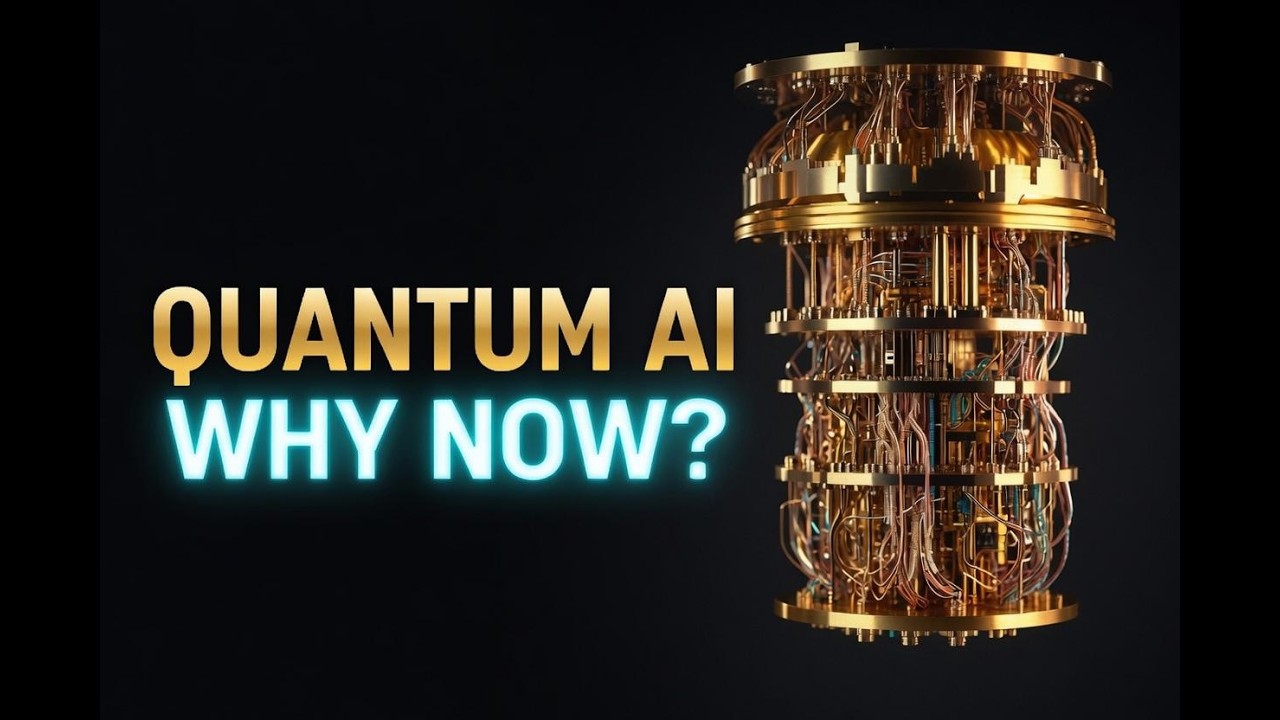 🔥 𝐐𝐮𝐚𝐧𝐭𝐮𝐦 + 𝐀𝐈: 𝐃𝐞𝐩𝐥𝐨𝐲𝐦𝐞𝐧𝐭 𝐀𝐠𝐢𝐥𝐢𝐭𝐲 𝐖𝐢𝐥𝐥 𝐃𝐞𝐭𝐞𝐫𝐦𝐢𝐧𝐞 𝐖𝐡𝐨 𝐓𝐡𝐫𝐢𝐯𝐞𝐬 𝐨𝐫 𝐅𝐚𝐢𝐥𝐬96 companies, represented by 112 registered to participate from 27 countries.Watch on YouTube
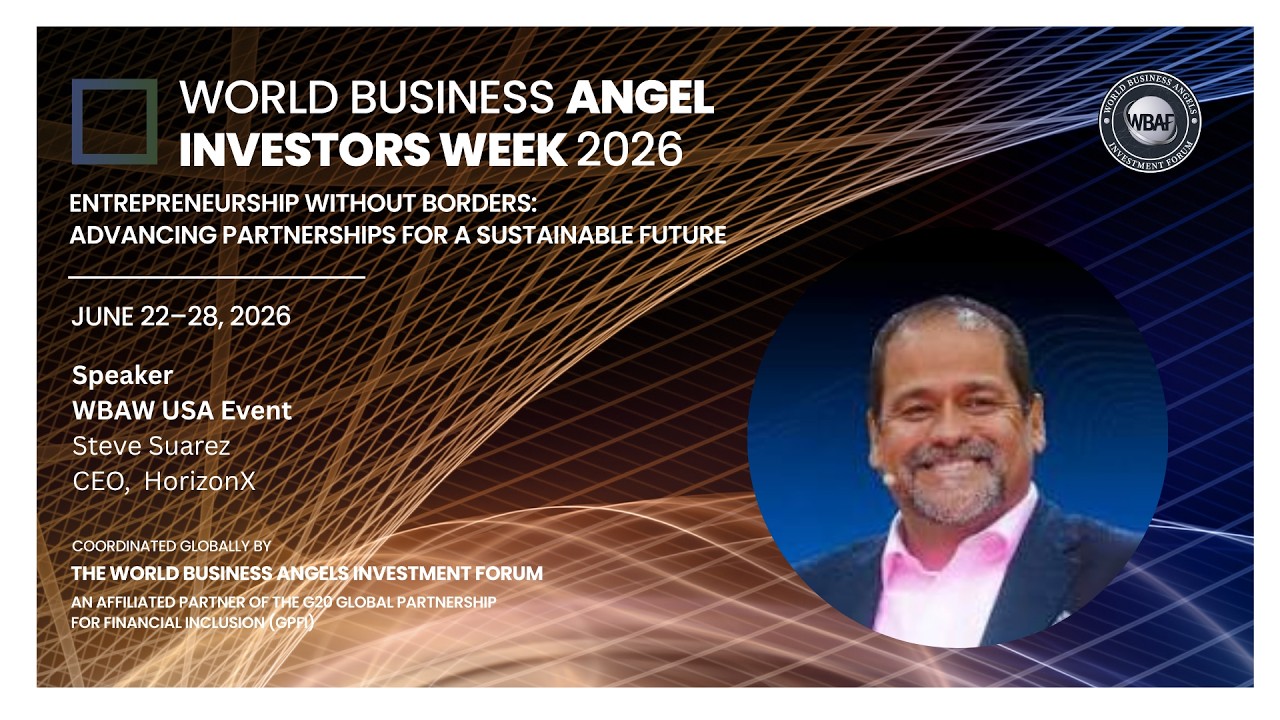 2026 WBAW USA Steve Suarez Keynote Brief Clip2026 WBAW USA Event - In this discussion, Steve Suarez explains why now is such an important time for business and government leaders to understand quantum technology and begin preparing for its impact.
Investment in quantum computing is accelerating across major technology companies, startups, governments, and public markets. Steve highlights the enormous economic potential being projected for quantum technologies over the coming decade and explains why organizations that begin learning, experimenting, and investing early may be in a stronger position to capture future value.
A major theme of the discussion is education. Quantum is not a single technology, and leaders do not need to become quantum physicists to develop an effective strategy. They do, however, need to understand the different areas of the quantum ecosystem, the opportunities they may create, and the risks organizations need to prepare for.
Steve breaks quantum technology into three important areas:
• Quantum computing, which could transform how organizations solve certain complex computational problems
• Quantum sensing, an emerging area with significant potential across industries
• Quantum communications and security, including post quantum cryptography and quantum key distribution
The conversation also addresses the cybersecurity implications of quantum computing. As quantum technology advances, organizations will need to upgrade existing cryptographic systems and infrastructure to protect their data and devices against future quantum threats.
With billions of connected devices potentially requiring cryptographic upgrades, preparing for the quantum era is becoming more than a technology issue. It is a strategic leadership issue.
The central message is clear: organizations should not wait for quantum computing to become fully mature before beginning to prepare. The companies and governments that educate their leaders, understand the technology, identify opportunities, and begin developing their strategies today will be better positioned for what comes next.
Topics covered include:
• Quantum computing
• Quantum sensing
• Quantum communications
• Post quantum cryptography
• Quantum key distribution
• Quantum cybersecurity
• Quantum strategy
• Executive education
• Early adoption
• The economic opportunity of quantum technologyWatch on YouTube
 Peter Shor, Will Oliver & Steve Suarez at Quantum.Tech World | The Race to Shor’s AlgorithmTODAY at Quantum.Tech World from the Quantum.Innovation Stage, the opening keynote fireside conversation brings together Peter Shor and Will Oliver for a timely discussion on quantum computing, classical cryptography, and the race toward Shor’s Algorithm.Watch on YouTube
 The Economist Commercialising Quantum 2026 HighlightsCommercialising Quantum Global welcomed more than 1,000 attendees from over 40 countries, reaffirming its position as Europe’s largest quantum event.
Now in its sixth year, Commercialising Quantum Global has established itself as the leading forum for translating quantum science into strategy, scalability, and commercial value. The case study-led agenda sparked essential conversations around how organisations, from pioneering startups to multinational enterprises, can prepare for and implement quantum technologies.
Across the two days, global leaders from science, industry, and policy came together to shape the trajectory of quantum innovation. The conversations, collaborations, and connections made during the conference helped move the field forward and highlighted what comes next for the quantum ecosystem.
Watch on YouTube
 Claude Mythos: How AI and Quantum Are Reshaping CybersecurityWith the rise of Claude Mythos, we’re entering a new era where AI can identify vulnerabilities faster than traditional security teams. At the same time, the emerging quantum threat has the potential to break the very foundations of digital privacy.Watch on YouTube
 Qatar, Doha - Quantum Utility: The New Era of InnovationModerator: Dr Ahmed Al-Qatatsheh, IBM Quantum Ambassador, IBM Dr Saif Al-Kuwari, Associate Professor, College of Science and Engineering, Hamad Bin Khalif University Hamad D Al-Rewaily, Information Systems Manager, Qatar Chemical Company Ltd. Steve Suarez, CEO, Horizonx ConsultingWatch on YouTube
 Quantum World Tour: UAE - H.E. Dr. Mohamed Al Kuwaiti - Steve Suarez - Leandro AolitaAs global momentum around quantum technologies grows, the United Arab Emirates is steadily building its own path forward through investment in research, innovation, and international collaboration.Watch on YouTube
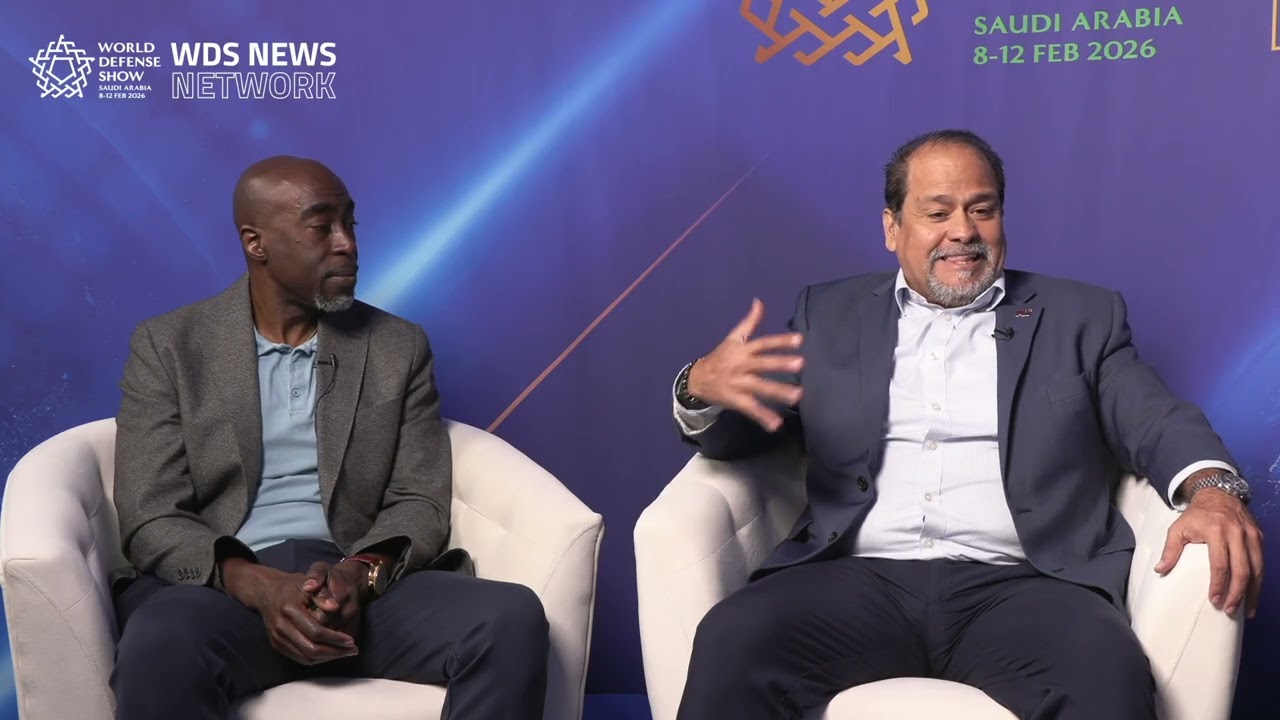 World Defense Show Riyadh - QuSecure PQCWorld Defense Show Riyadh - QuSecure PQC Steve Suarez talking about Post Quantum CryptographyWatch on YouTube
 Is Your Money Safe? Quantum Computing, Deepfakes & The Future of Banking with Steve SuarezIn this insightful episode, Sneha Jain (Associate Marketing Director, Perfios) sits down with Steve Suarez, CEO of HorizonX and former Global Head of Innovation at HSBC.Watch on YouTube
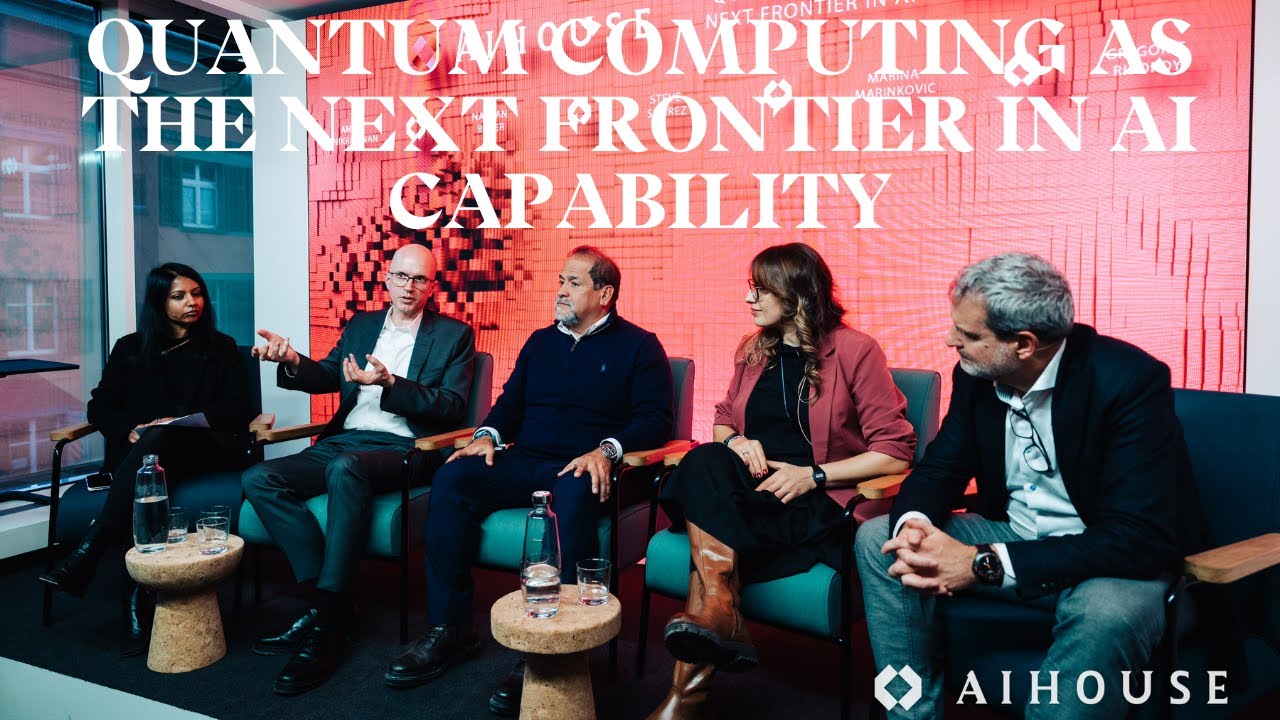 AI House Davos 2026 - Quantum Computing as the Next Frontier in AI CapabilityQuantum computing is emerging as the next frontier in AI, promising new forms of capability far beyond today's systems. This panel explores what breakthroughs might become possible when quantum techniques are applied to machine learning, and how close we truly are to achieving useful quantum…Watch on YouTube
 Davos - Quantum Foundations, Exponential OutcomesHow will quantum computing, AI, and other frontier technologies reshape financial services?Watch on YouTube
 UnDavos - Your Quantum Strategy | unDavos 2026BCG estimates 90% of the $2 trillion in value quantum computing will create by 2035 goes to just 10% of organizations — the ones building quantum muscle now. By end of 2026, US Homeland Security won’t onboard any vendor without post-quantum encryption. The clock is already running.Watch on YouTube
 𝐀𝐈 𝐚𝐧𝐝 𝐐𝐮𝐚𝐧𝐭𝐮𝐦 𝐄𝐧𝐝𝐠𝐚𝐦𝐞: 𝐂𝐚𝐧 𝐇𝐮𝐦𝐚𝐧𝐬 𝐖𝐢𝐧?Is the AI and quantum endgame a challenge humans can win? Explore this urgent question in the full GASAI webinar featuring top experts on quantum computing risks, AI ethics, deepfakes, future of work, post-quantum cybersecurity, and responsible innovation for a sustainable future.Watch on YouTube
 Quantum Index with Steve SuarezAnders Indset speaks with Steve Suarez — Founder & CEO of HorizonX, global quantum strategist, and former Global Head of Innovation at HSBC.Watch on YouTube
 Navigating Davos: Insider Strategies & First Look at the Quantum Program - Steve Suarez and Mark Turrell Join Steve Suarez and Mark Turrell as they break down how Davos really works—how to move through its fast-shifting ecosystem, position yourself with intention, and access the rooms that matter.Watch on YouTube
 Quantum.Tech Europe 2025 Highlights | Next Stop: Boston!Step inside the future of quantum technology with our official highlights reel from Quantum.Tech Europe 2025. From groundbreaking keynotes to buzzing expo floors, this video captures the energy, innovation, and collaboration that defined this year’s show.Watch on YouTube
 Quantum Computing in Finance Mr Davide Corbelleto, Banca Intesa Prof. Ioanid Rosu, HEC Paris Executive Education, Federico Mattei, IBM, Steve Suarez, McKinseyMr Davide Corbelleto, Banca Intesa · Prof. Ioanid Rosu, HEC Paris Executive Education · Mr Federico Mattei, IBM · Mr Steve Suarez, McKinsey/CEO Horizon XWatch on YouTube
 Q2B25 Paris: Steve Suarez, CEO of HorizonX, with Cierra ChoucairSteve talks quantum strategy and The Quantum Index from the floor at Q2B Paris.Watch on YouTube
 The Futurists - EPS_306: Quantum Days with Steve SuarezIn this week’s episode Steve Suarez from Horizon X Quantum and one on the speakers at the Futurists Summit discusses the reality of the famed Q-Day or Quantum Day - a date sometime in the near future when Quantum computers can break our existing RSA encryption technologies exposing banks…Watch on YouTube
 Steve Suarez | The transformative power of AI | Episode #23In this episode of The Only Constant, Lasse Rindom speaks with Steve Suarez about the transformative power of AI and the importance of innovation in navigating the ever-changing technological landscape.Watch on YouTube
- Navigating the Quantum Era: A Conversation with Will Oliver and Steve SuarezIn this insightful LinkedIn Live session, Will Oliver, a Professor at MIT and expert in quantum computing, joins Steve Suarez, CEO of HorizonX, to discuss the launch of a new MIT professional course: "Quantum Computing Strategy and Impact." The discussion bridges the gap between complex physics and…Watch on YouTube
 Panel. All is not lost: can quantum technology create jam-proof navigation systems in GNSS-denielWith rising concerns about GPS vulnerability and jamming threats, quantum technology offers new possibilities for robust, interference-resistant navigation systems. Could quantum positioning systems become the backbone of secure navigation in places where access to the Global Navigation Satellite System (GNSS) is denied? What are the next steps to make these quantum systems practical?
Supported by HorizonX
Steve SuarezWatch on YouTube
 Fireside chat. The race to quantum readiness: who’s leading and why it matters - The Quantum IndexWith the launch of the Quantum Innovation Index during the UN-endorsed International Year of Quantum, enterprise adoption is now measurable and competitive. Which companies are making real progress, and what strategies set them apart?Watch on YouTube
 RST2. LinkedIn Live. Q2 Predictions TNE ai - 2025-05-15LinkedIn Live with Steve Suarez, how did 2024 Predictions pan outWatch on YouTube
 43:06From Banking to Quantum: Steve Suarez's JourneyWelcome to the latest episode of the G&T Sessions podcast, it was a pleasure to have Steve Suarez, Founder & CEO of HorizonX Consulting on the show, who has recently moved to Dubai to focus on quantum consulting and entrepreneurship.Watch on YouTube
- DeepSeek AI Uncovered: The Future of Small Language Models (SLMs)In this session, Rich Tong, a former Microsoft executive and venture capitalist, joins Steve Suarez to break down the global impact of DeepSeek and the rapid rise of open-source AI.Watch on YouTube
 Qubit Confidential with Steve SuarezChristopher Bishop interviews Steve about his journey in quantum technology — from HSBC to leading HorizonX.Watch on YouTube
 DEMYSTIFYING QUANTUM IN 2025 AND QUANTUM INDEX WITH STEVE SUAREZWelcome to the latest episode of the Dave and Dharm Demystified Podcast, where we dive deep into the world of innovation and emerging technologies.Watch on YouTube
 Forecasting the Future: Assessing new TechnologiesSteve Suarez, CEO of Horizon X Consulting, explains some of the best practices he uses in the identification of emerging technologies and how to integrate them in order to generate business transformation.Watch on YouTube
 Davos - Quantum Ready - The Business OpportunityMeet our esteemed panelists:
Mike Butcher (Moderator) – Editor-at-large at TechCrunch and influential force in European technology journalism, recognized for his contributions to startup policy and innovation.
Robert Marino – CEO of Qubit Pharmaceuticals, with over 15 years of experience in deep tech and startup development, co-founder of various initiatives supporting quantum ecosystems.
Steve Suarez – CEO of HorizonX Consulting and former Global Head of Innovation at HSBC, bringing decades of expertise in consulting, telecommunications, and finance.
William D. Oliver – Henry Ellis Warren (1894) Professor at MIT, leading figure in quantum engineering and advisory roles, contributing to national quantum initiatives.
Daniela Herrmann – Co-Founder of Dynex and Mission Leader at Dynex Moonshots, recognized technologist focused on ethical quantum solutions across industries.
Kapil Dhiman – CEO and Co-Founder of Quranium, dedicated to advancing digital security through quantum-proof technologies and innovative blockchain solutions.
Watch on YouTube
 Is Your Organization Ready for Post-Quantum Security? | HorizonX Founder Steve ExplainsIn this insightful interview we asked Steve Suarez, Founder & CEO of HorizonX Consulting, how do you see PQC evolving as a priority for organizational security in the next few years?Watch on YouTube
- UnDavos - Quantum Ready - The Business OpportunityWelcome to the unDavos Summit - A community-organized series of interactive panels, talks, and networking taking place in Davos, Switzerland - and online - in parallel to the World Economic Forum’s Annual Meeting 20-24 Jan 2025Watch on YouTube
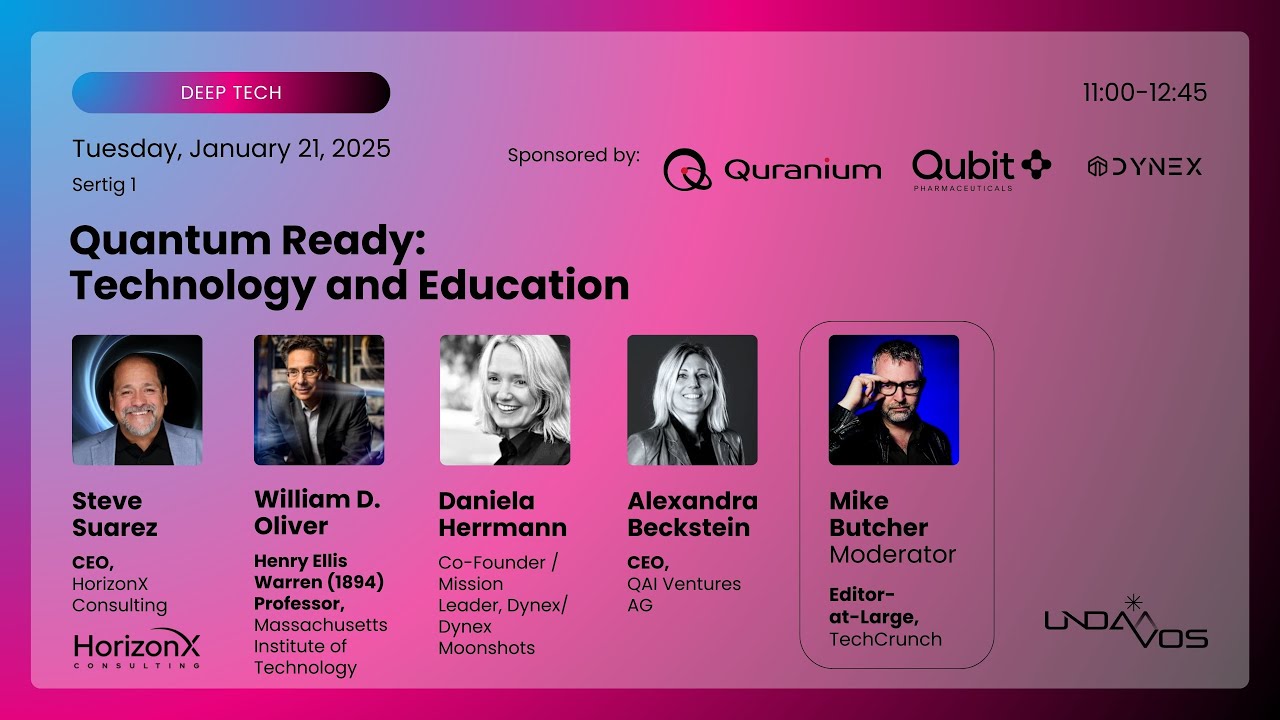 Davos 2025 Quantum Ready - Technology and EducationWelcome to the unDavos Summit - A community-organized series of interactive panels, talks, and networking taking place in Davos, Switzerland - and online - in parallel to the World Economic Forum’s Annual Meeting 20-24 Jan 2025Watch on YouTube
 Steve Suarez Interviews Rich Tong – AI and the Future of InnovationWatch on YouTube
 Making Quantum Real | XPANSE 2024 - Dr. Christophe Jurczak, Steve Suarez, Carlos Abellan, Dr. Satyam Priyadarshy, Fernando Dominguez PinuagaQuantum technology is no longer just theoretical—it's becoming a practical reality that promises to transform industries and redefine the future.Watch on YouTube
 Quantum and the Board of Directors, a Nov '24 "Quantum with Friends" QuEra webinarJoin Steve Suarez, founder and CEO of HorizonX, and Yuval Boger, Chief Commercial Officer of QuEra, as they discussed the challanges and opporttunities of gaining support for quantum projects at the board of directorsWatch on YouTube
 SFF 2024 | The Next Tech Frontier is Here - Impact of Quantum Tech on Financial Services TodayQuantum technology is not just on the horizon - it’s here. This session will delve into the real-world applications of quantum computing, including its effects on encryption standards and risk management, providing a glimpse into the future of finance.Watch on YouTube
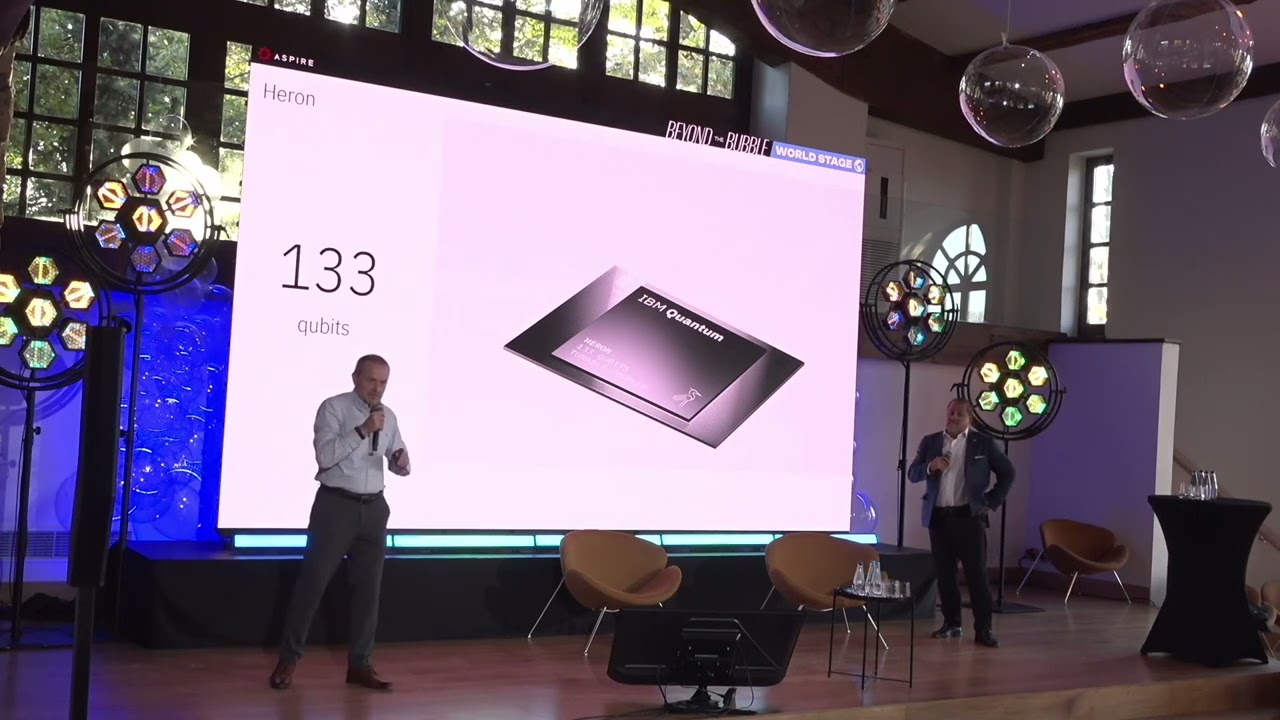 Quantum Computing Why it will change everything I Steve Suarez & Sławek Kumka I ASPIRE Summit 2024What is it? · When will it arrive? · What will it change? · How to prepare?Watch on YouTube
 NIST Post-Quantum Cryptography Standards. QuSecure and HorizonX WebinarFeaturing Rebecca Krauthamer from QuSecure and Steve Suarez® from Horizon XWatch on YouTube
 Steve Suarez (CEO of HorizonX) on Quantum Computing Strategies | QuEraSteve Suarez, CEO of HorizonX Consulting, shares his insights on quantum computing adoption and his partnership with the QuEra Quantum Alliance.Watch on YouTube
 Q2B24 Tokyo | Quantum-Secure Communications Panel - Steve Suarez - Yohei Matsueda- Teik Guan Tan, - Stefan Natu, Steve Suarez, Founder & CEO, HorizonX Consulting Yohei Matsueda, General Manager for Digital Solution, Mitsubishi Corporation London Branch Teik Guan Tan, CEO, pQCee Stefan Natu, Head of Product, Amazon Braket, AWSWatch on YouTube
 Will Oliver and Steve SuarezWill Oliver, a professor at MIT, and Steve Suarez, an innovation advisor and CEO of HorizonX Consulting. are interviewed by Yuval Boger. Will elaborates on the challenges and opportunities in quantum computing, particularly the need for 3D integration to efficiently control large arrays of qubits.Watch on YouTube
 Exploring the secret sauce of sensing and imaging applications for society and industrySupported by HorizonX ConsultingWatch on YouTube
 “Right on time”: redefining the second with the promise of optical atomic clocksSupported by HorizonX Consulting and Multiverse ComputingWatch on YouTube
 4 Steps Before AI & The Promise Of Quantum ComputingEpisode Summary: Welcome to Beyond the Algorithm, where we explore cutting-edge technology and its impact on business. In this episode, host Aarti Samani is joined by Steve Suarez, CEO of Horizon X Consulting and former Global Head of Innovation at HSBC, to dive deep into the world of Quantum AI…Watch on YouTube
 Quantum.Tech USA 2024 - Highlights VideoQuantum.Tech USA 2024 moved to Washington D.C. bringing for another fantastic year. The 2 day event on April 25 - 26 plus the Quantum.Tech Cryptography Spotlight Day on April 24 brought together the leading quantum technology solution providers, startups, banks, key government agencies and…Watch on YouTube
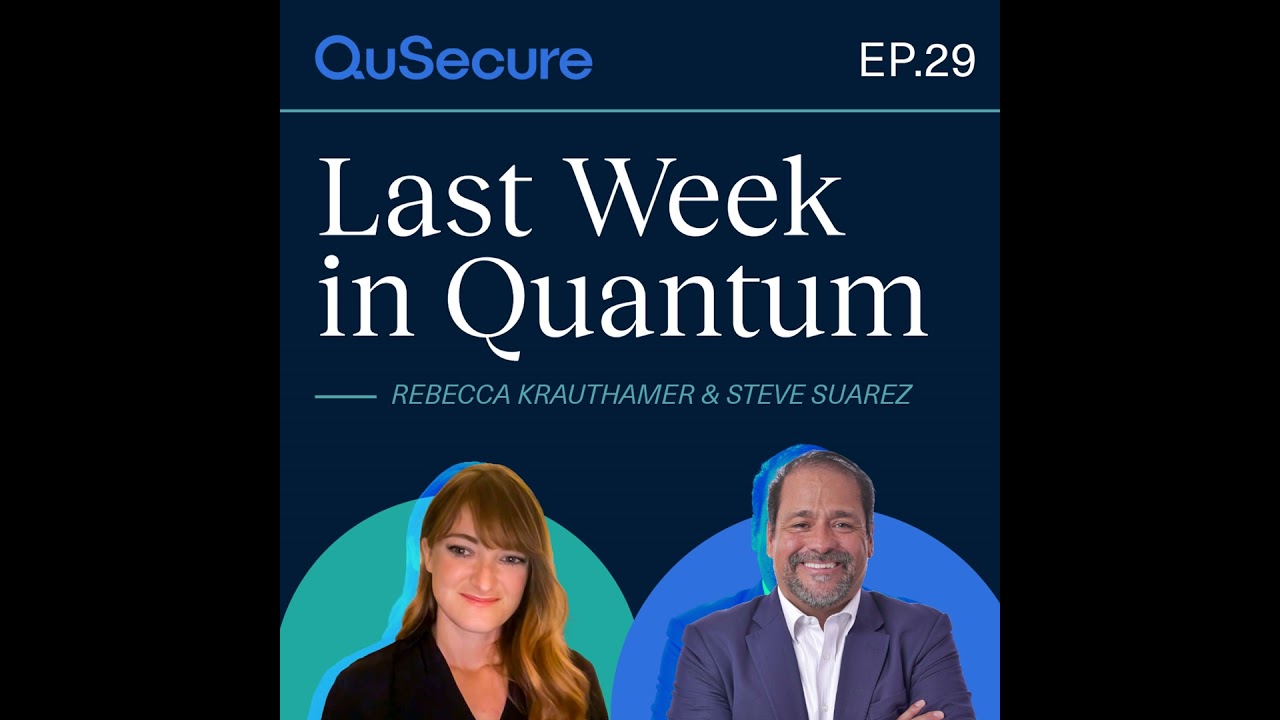 Driving Innovation in Quantum with Steve Suarez - Post-Quantum SecureHosted by Rebecca Krauthamer, Co-Founder and Chief Product Officer at QuSecure Guest Speaker - Steve Suarez, Founder and CEO of HorizonXWatch on YouTube
 ElTiempo | Steve Suarez | Computación CuánticaCompartimos la entrevista realizada en nuestra XXXVII Conferencia de Bancos Centrales e Instituciones Oficiales “Navegando una Era Exponencial” a Steve Suarez, Fundador y CEO – HorizonX Consulting, quien nos da a conocer todo lo relacionado con los avances y desarrollos de la computación cuántica y…Watch on YouTube
- Steve Suarez with David Whelan, CEO of EngageVR hosted by Maxwell McGee at HorizonX Virtual CampusStep into the future with our extraordinary podcast experience, where legendary DJ Fatboy Slim's groovy beats set the stage for an unforgettable rave, Godzilla makes epic appearances, and the futuristic vibes of the VR AI assistant "Athena AI" add a touch of magic.Watch on YouTube
 Navigating an Exponential Era - XXXVII Conference of Central Banks and Official InstitutionsNavigating an Exponential Era - XXXVII Conference of Central Banks and Official InstitutionsWatch on YouTube
 The Future Of Quantum - Quantum.Tech Europe 2023Explore the future of quantum at Quantum.Tech Europe 2023. Top experts reveal insights into quantum computing, communication, and sensingWatch on YouTube
 Digital Transformation: Continuous LearningJoin host Brigid McDermott and her guest, Steve Suarez, as they talk about how to build a great transformation culture by focusing on how and what your team is learning.Watch on YouTube
 HorizonX LaunchLaunching a new Innovation Consulting company. Meeting with the founder and partners of HorizonX and Outamation.Watch on YouTube
 Quantum.Tech London 2022 HighlightsQuantum.Tech returned back to London in September 2022, live and in person for the first time in 3 years! It was a fantastic experience to bring the whole global community back together with over 90+ speakers showcasing just how much the industry is developing.Watch on YouTube
 [Ep. 15] Steve Suarez on enabling Innovation at HSBCWe spoke to Steve Suarez, Global Head of Innovation, Global Functions at HSBC about enabling innovation in banking.Watch on YouTube
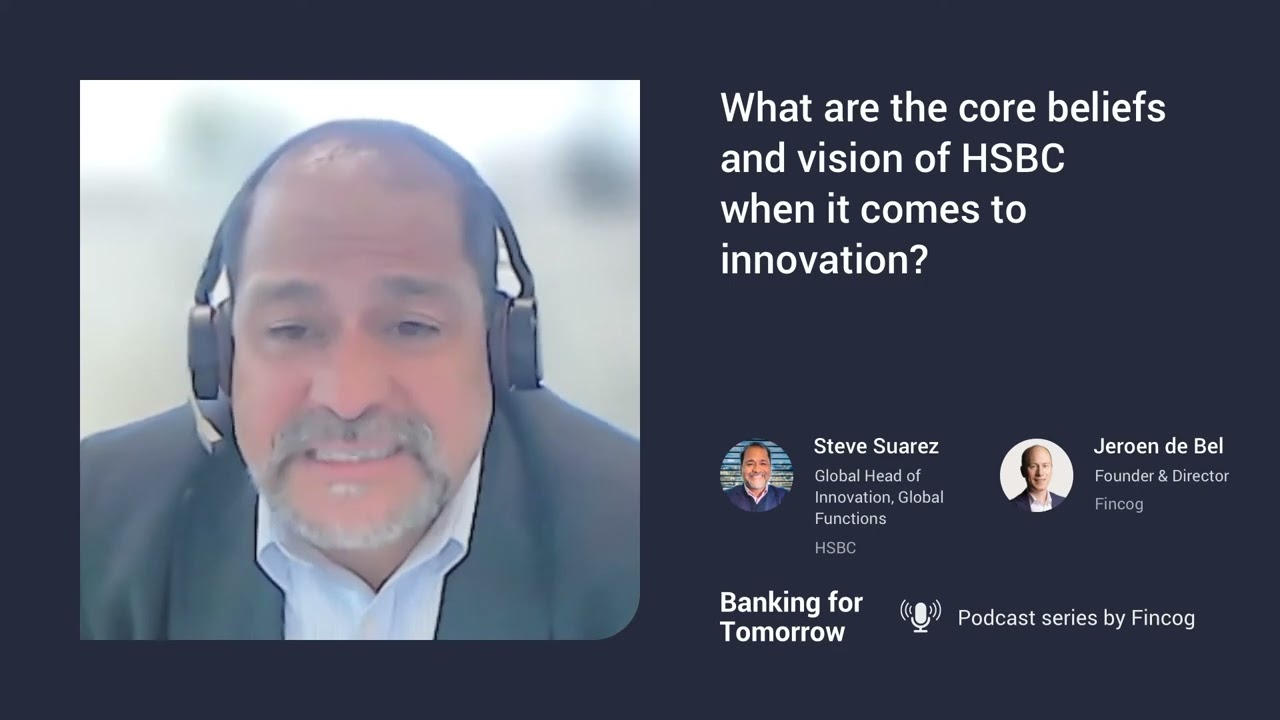 Banking for TomorrowWe spoke to Steve Suarez, Global Head of Innovation, Global Functions at HSBC about enabling innovation in banking.Watch on YouTube
 Interoperability in the metaverse - Realising the ability to unify economies, avatars, and s...In this conversation, Steve Suarez explores one of the biggest challenges facing the metaverse: interoperability.
For the metaverse to reach its full potential, users need to be able to move seamlessly between virtual worlds, taking their identities, digital assets, payments, and experiences with them. Today, that experience is still fragmented, with different platforms, logins, wallets, standards, and ecosystems creating friction for both consumers and businesses.
Steve discusses what we can learn from the evolution of the internet, including the long journey toward common standards and protocols. He explains why the future of the metaverse will likely depend on open standards, stronger connectivity between platforms, and business models that allow digital assets to move across different environments.
The discussion also looks at the role of financial institutions, blockchain, digital wallets, creators, technology companies, gaming platforms, and startups in building a more open ecosystem. Rather than betting everything on a single platform or technology, Steve argues that organizations should experiment, learn quickly, build a portfolio of opportunities, and scale the ideas that demonstrate real value.
The central message is simple: technology alone is not enough. Whether we call it the metaverse or something entirely different in the future, sustainable adoption will depend on creating genuine value for users and businesses.
Topics covered include:
• Metaverse interoperability
• Open versus closed platforms
• Digital identity and avatars
• Blockchain and digital assets
• Digital wallets and payments
• Standards and protocols
• The creator economy
• Financial services in the metaverse
• Innovation and experimentation
• Building sustainable business models
Watch on YouTube
 Future Banking Season 6, Episode 4: Corporate Banking in an Era of InnovationCorporates have long been banking's most profitable customers, with most banks revving up services for corporate customers. Greater innovation in data management can help banks better service their corporate customers, increase revenues and deal with the challenges of mounting regulation.Watch on YouTube
- MIT GOI Launch Panel Corporate Approaches to Career DevelopmentSteve Suarez, HSBC · Melissa Swift, Mercer · Vipin Gupta, Toyota · Julie Dervin, CargillWatch on YouTube
 MIT at Wimbledon - “Catch of the tournament”Watch on YouTube
 Commercialising Quantum, The Economist, London, UK.Panel discussion: how do you build a quantum workforce? What is a good way to ascertain what knowledge level and number of experts is required? Who do I hire? PdD or bust? How do we overcome the talent bottleneck to translate today’s problems into practical quantum algorithms?Watch on YouTube
 25:13Panel discussion: how do you build a quantum workforce?Panel discussion: how do you build a quantum workforce? What is a good way to ascertain what knowledge level and number of experts is required?Watch on YouTube
 Steve Suarez of HSBC shares his thoughts on What does a digital roadmap look like for a major bank?“I think the number one thing we look at, is having a digital culture. So that's really around embracing risk and building that culture of innovation.”Watch on YouTube
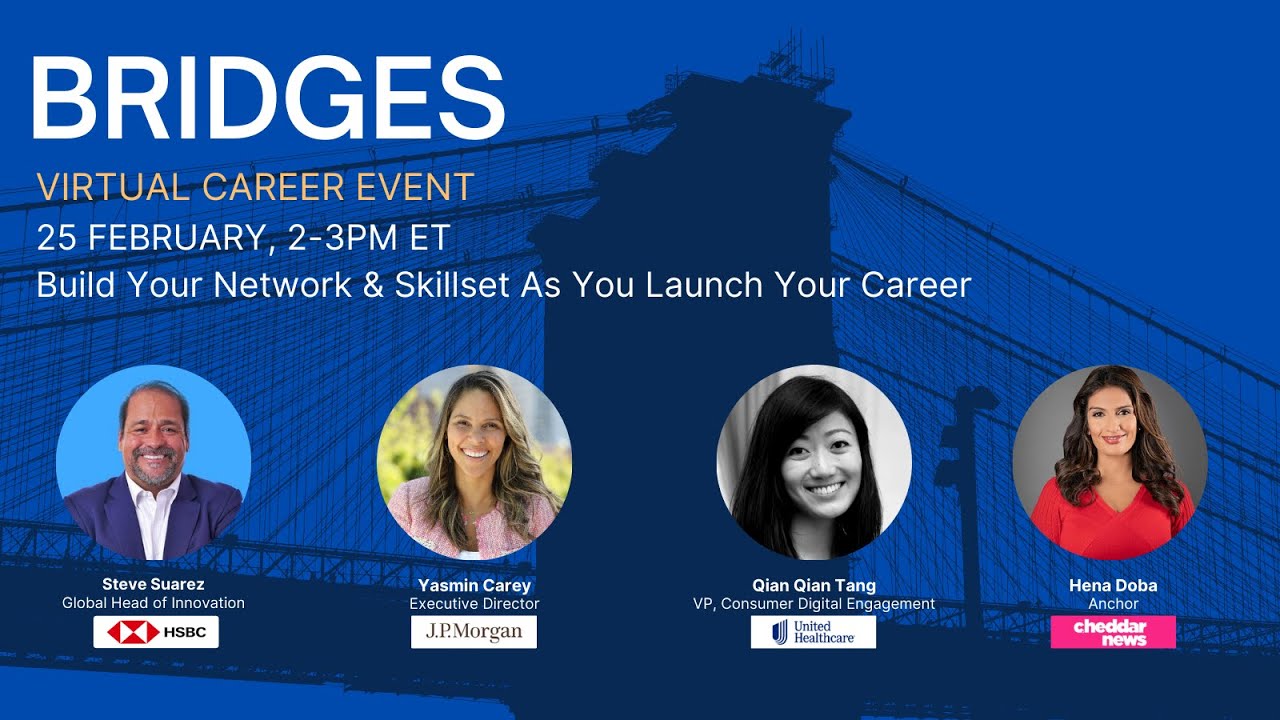 BRIDGES Webinar: Build Your Network & Skillset As You Launch Your CareerHear from executive leaders with diverse career paths from leading global investment banks, HSBC & JPMorgan. Join this discussion to hear stories about how they built their network and skill set as they launched their careers. They will also share what they look for in promising young talent.
Watch on YouTube
 Stanford University Webinar - Leading Innovation and Design ThinkingSteve Suarez shares his journey in bringing design thinking to HSBCWatch on YouTube
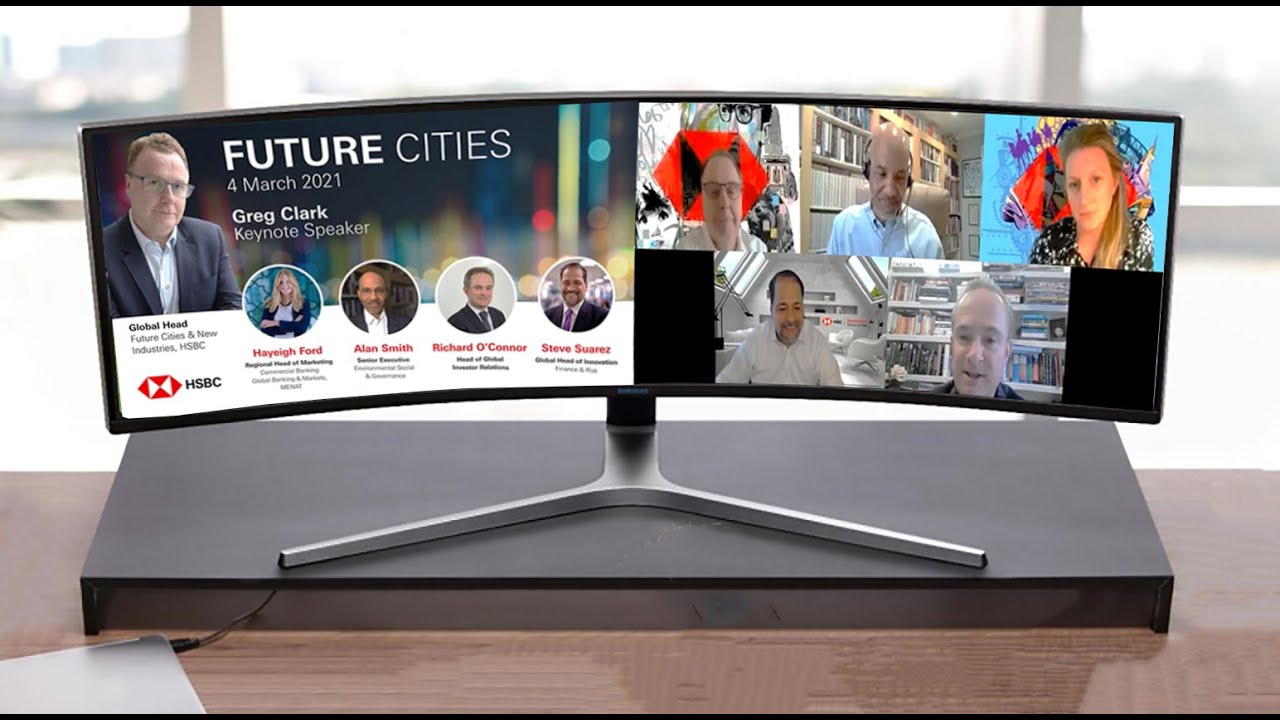 48:37Future Cities with Greg Clark, Hayleigh Ford, Alan Smith and Richard O'ConnorSteve Suarez, Global Head of Innovation, Finance, and Risk welcomes you to a webinar held virtually March 4th 2021 to discuss Future Cities with Professor Greg Clark, Hayleigh Ford, Alan Smith, and Richard O'Connor.Watch on YouTube
 Steve Suarez on his MIT experienceSteve enrolled in courses covering transformative technologies like blockchain, IoT, and AI. He also took management and leadership courses focused on systems thinking and problem solving.Watch on YouTube
 CFTE Leading Digital Transformation in a Dynamic Environment - Steve SuarezLEAR MORE ABOUT THE INNOVATION PROCESS HAPPENING AT HSBC AND THEIR SOLUTIONS TO ALWAYS LEAD DIGITAL TRANSFORMATION IN A DYNAMIC ENVIRONMENT!Watch on YouTube
Nothing is hosted on this site — every video plays from the platform that published it, and no player loads until you press play.